About Zhangjiajie National Forest Park
“Otherworldly and awe-inspiring — like walking through a Chinese ink painting that happens to also be a theme park, complete with monkeys stealing your snacks and tour groups competing for selfie spots at every viewpoint.”
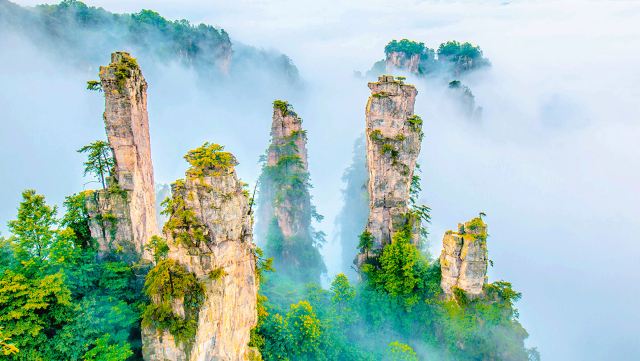
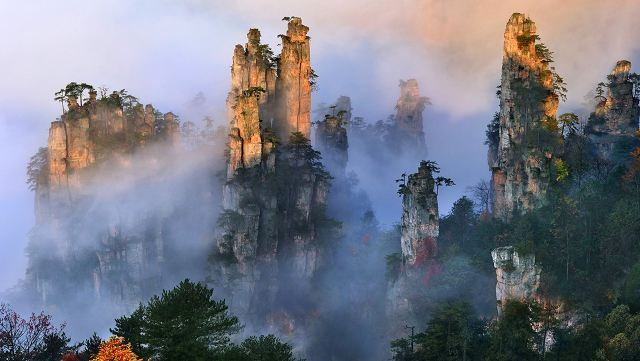
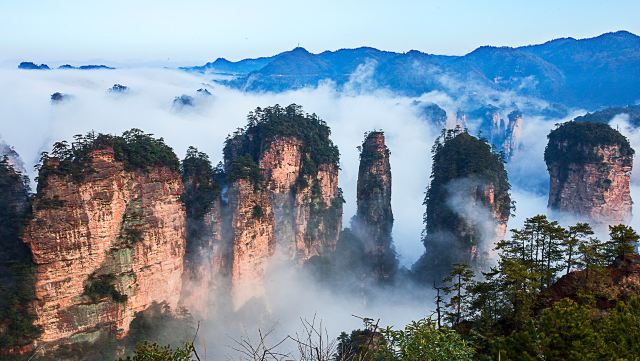
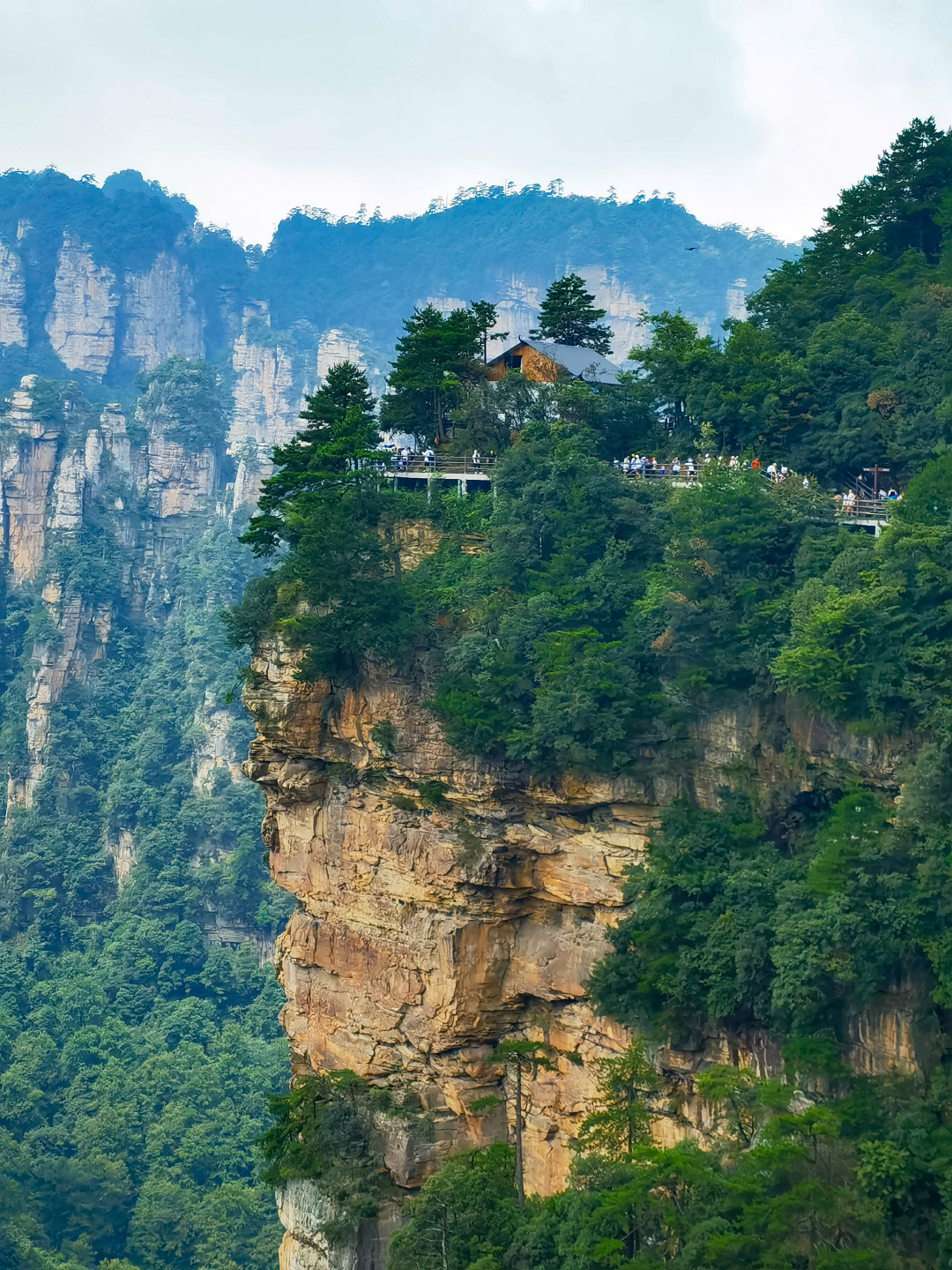
Zhangjiajie is a genuinely jaw-dropping landscape — towering quartzite pillars shrouded in mist that look like nothing else on the planet. The park is massive (multiple scenic areas across 48 sq km) and well-served by shuttle buses, cable cars, and the famous Bailong Elevator, so you don't need to be a hardcore hiker to see the highlights. The Avatar Hallelujah Mountain viewpoint and Yuanjiajie area deliver the iconic floating-mountain scenery, while Golden Whip Stream offers a peaceful valley walk where the crowds thin out dramatically. The downside is real: it is relentlessly crowded, especially at peak viewpoints where tour groups with megaphones and selfie sticks dominate. Lines for cable cars and elevators can exceed an hour in peak season. The signage and map system is confusing — many visitors get lost or waste time on wrong buses. Each transport (elevator, cable cars, tram) costs extra beyond the entrance ticket, and the total adds up fast. But the sheer scale and otherworldly beauty make it a once-in-a-lifetime experience that nearly every visitor agrees was worth the hassle. Best for nature lovers, photographers, and anyone chasing bucket-list landscapes; skip it if crowds and long queues genuinely ruin your day.
Top Questions from Travelers
Why This Place Matters
Zhangjiajie's sandstone pillars were formed over 300 million years through physical erosion — not chemical dissolution like typical karst. The park sits in the homeland of the Tujia ethnic minority, and the name Tianzi Mountain ('Son of Heaven Mountain') references a Tujia leader who declared himself emperor. These landscapes have inspired Chinese painters for centuries — the classic 'mountain and water' (山水) style of ink painting draws directly from formations like these. The park was unknown to most of the world until 1982 when it became China's first national forest park, and it gained global fame after James Cameron confirmed it as an inspiration for Avatar's Pandora in 2009. The area remains deeply significant in Chinese geography and aesthetics — the concept of mountains rising from mist is central to Chinese philosophical and artistic traditions.
Need help planning?
ChinaPal handles everything
- Book English-speaking guides
- Arrange transport & tickets
- Real-time help during your visit
- Restaurant reservations nearby
Highlights
5 iconic experiences that define a visit
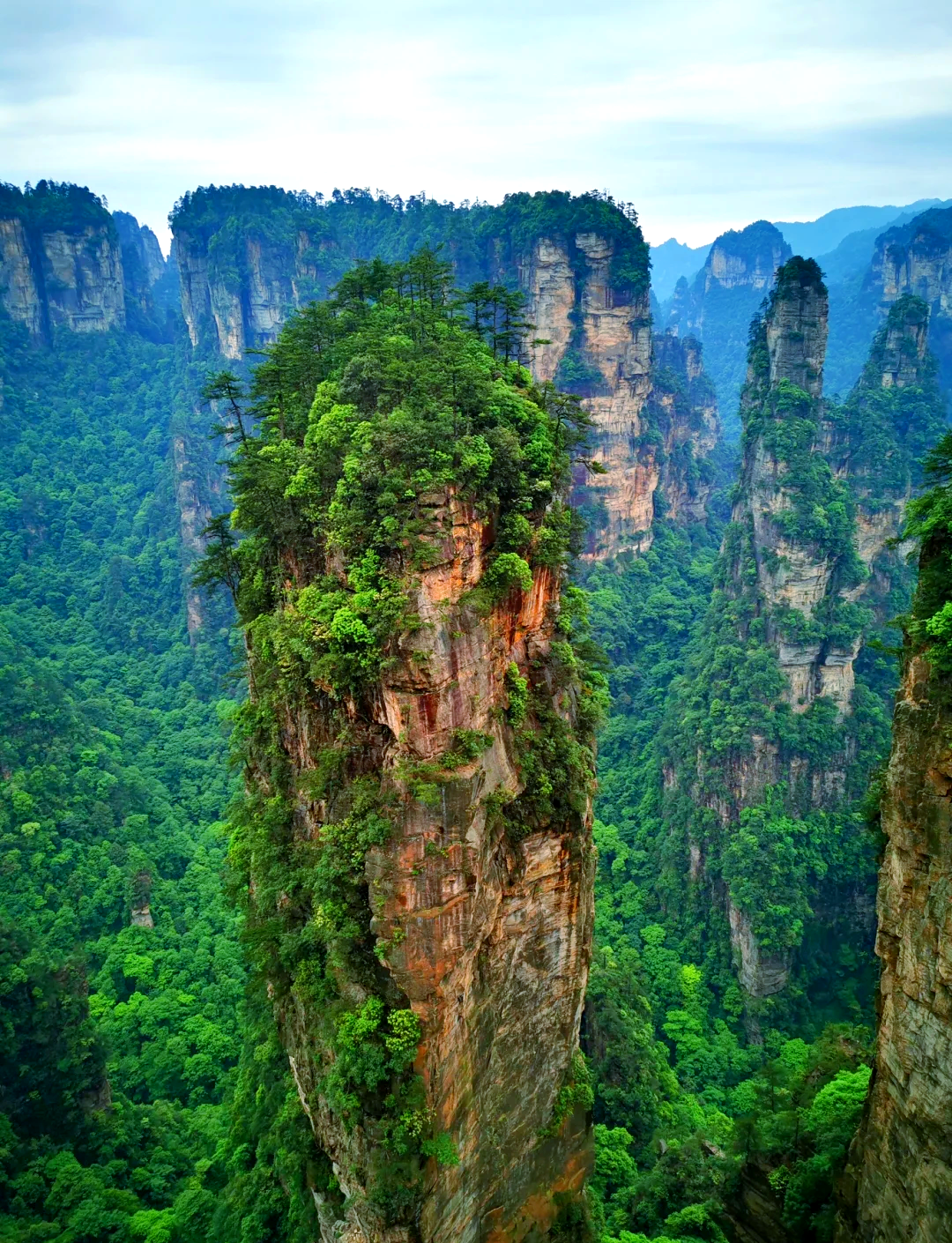
Yuanjiajie Scenic Area (袁家界) — Avatar Mountains
The iconic area with the Avatar Hallelujah Mountain (originally Southern Sky Column), the First Natural Bridge spanning 50 meters across a 400-meter drop, and the Enchanting Terrace (迷魂台) where peaks disappear into clouds. This is the landscape that inspired the floating mountains in Avatar.
The 1,080-meter Southern Sky Column was officially renamed 'Avatar Hallelujah Mountain' in 2010 after the film's director confirmed it as an inspiration. The First Natural Bridge is the highest natural rock bridge in the world.
 Universal Appeal
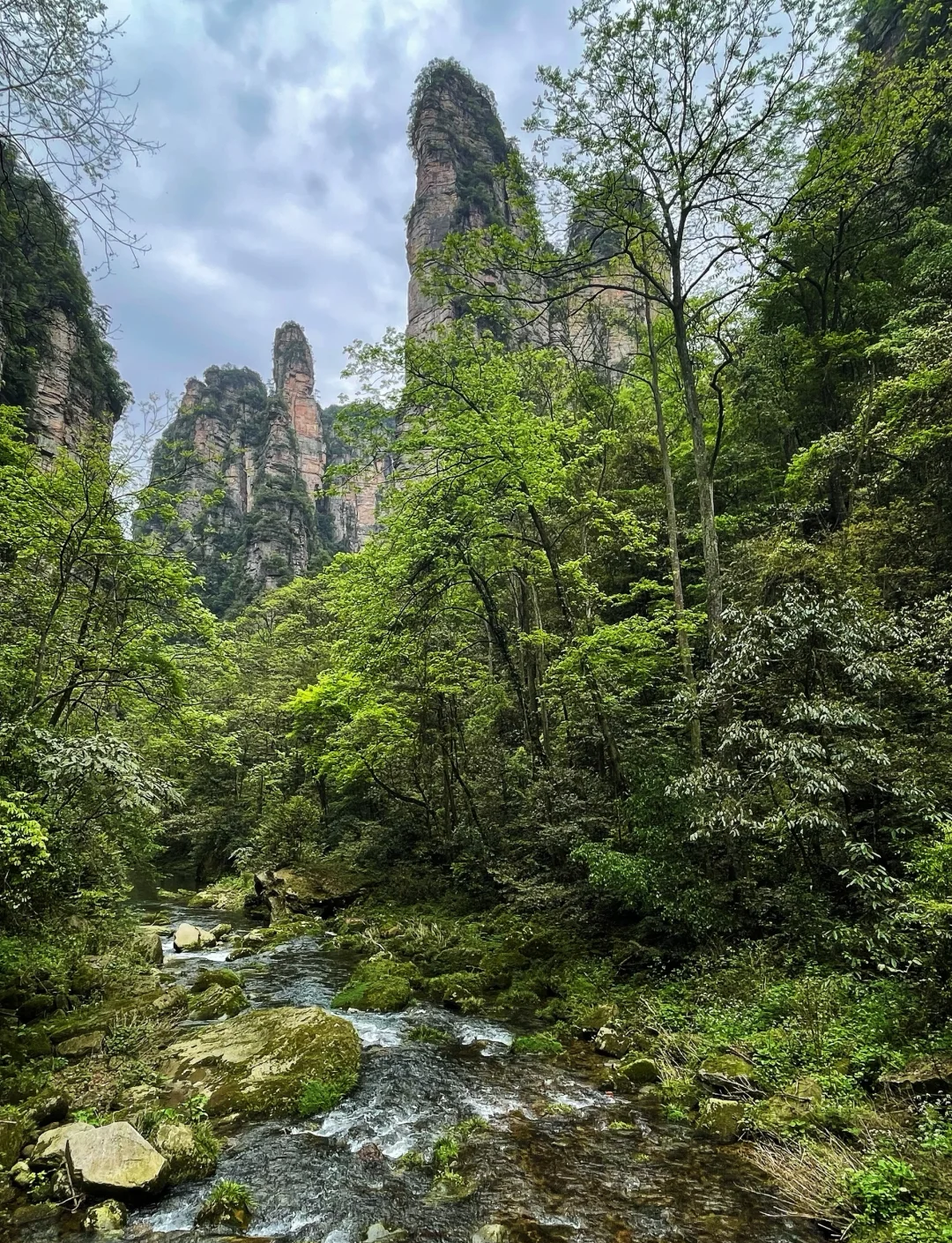
Golden Whip Stream (金鞭溪)
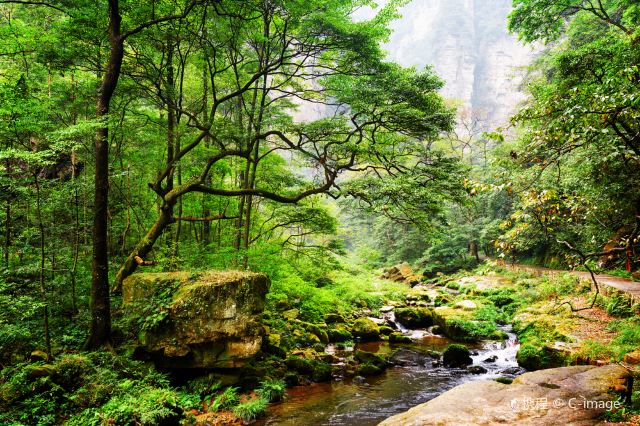
A 7.5 km flat walk along a crystal-clear stream through a valley flanked by 400-meter sandstone cliffs. Wild macaque monkeys line the path, the air is...
 Universal Appeal
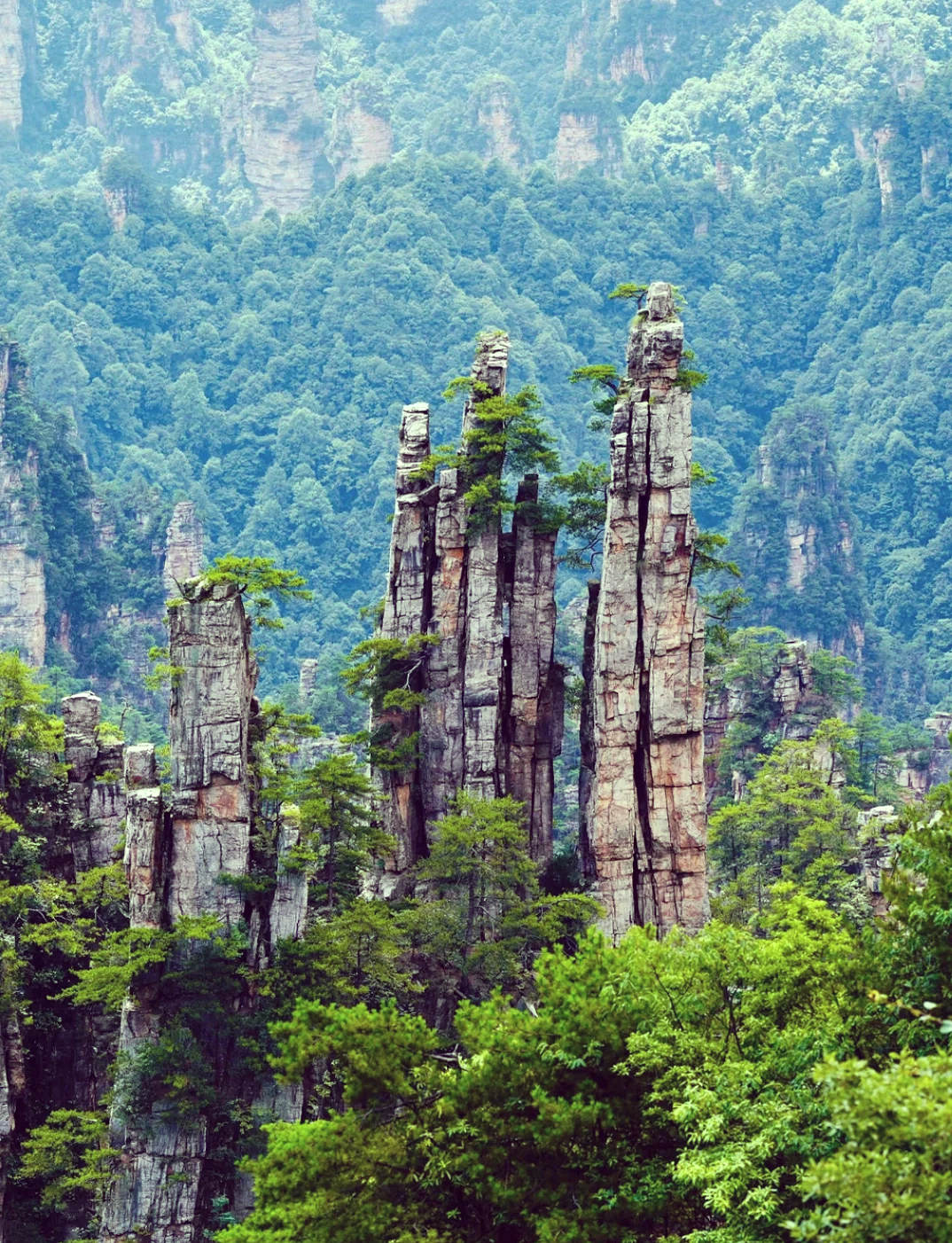
Tianzi Mountain (天子山)
Rolling cloud seas with panoramic views of thousands of stone peaks stretching to the horizon. The Imperial Writing Brush Peaks (御笔峰) — six columns st...
 Universal Appeal
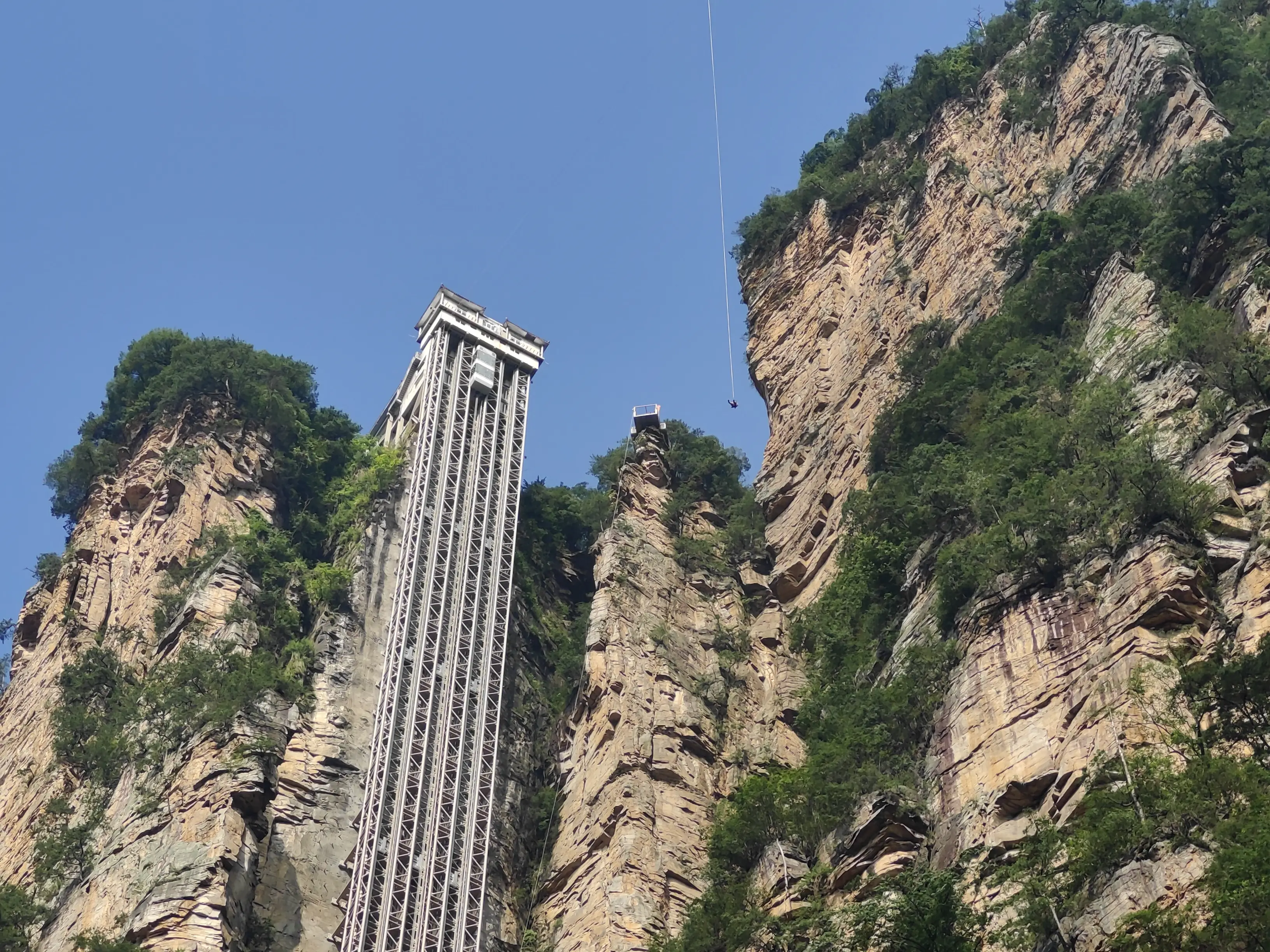
Bailong Elevator (百龙天梯)
The world's tallest outdoor elevator — 326 meters in under 2 minutes, built into the cliff face. The glass-fronted ride offers dramatic views of the s...
 Culturally Interesting
Yangjiajie (杨家界) — The Hidden Gem
The most recently developed and least crowded area in the park. Features the Natural Great Wall — a continuous cliff face of connected pillars stretch...
What Most Visitors Miss
Hiking the trails instead of taking the elevator/cable cars
Over 95% of visitors ride the transport and stick to the flat mountaintop paths. The hiking trails between upper and lower areas (2-3 hours) pass through quiet forest with monkeys, waterfalls, and close-up views of the pillars — with almost nobody else on the path. This is where you actually feel immersed in nature rather than shuttled between viewpoints.
Staying inside the park overnight
A few hostels and inns exist inside the park (near Yangjiajie entrance). Staying overnight lets you catch sunrise from the peaks before the day-trippers arrive, and the evening atmosphere is magical when the crowds leave. Budget hostels like the YOLO Resort have a backpacker community.
Walking off the main viewpoint platforms
At every major viewpoint, crowds cluster at the designated photo spots. Walking just 200-300 meters further along the trail reveals equally stunning (sometimes better) views with nobody around. The most common regret is spending all day in queues instead of exploring the quieter paths.
Plan Your Visit
How Long to Visit
Yuanjiajie + Tianzi Mountain via cable car/elevator — you'll see the highlights but feel rushed
s (cover all major scenic areas including Golden Whip Stream walk, with time to escape crowds on quieter trails
s (full ticket validity — explore Yangjiajie, hike instead of riding, catch sunrise from mountaintop lodging
Smart Route
Day 1: Enter East Gate (Wulingyuan) at 7 AM
take first shuttle to Bailong Elevator (before queues build)
ride up to Yuanjiajie
walk to Avatar Hallelujah Mountain and First Natural Bridge
take shuttle bus to Tianzi Mountain
see Imperial Writing Brush Peaks and Grand Viewing Platform
cable car down
bus back to East Gate. Day 2: Enter South Gate
cable car up to Huangshi Village
walk the loop
descend to Golden Whip Stream
walk the full 7.5 km valley trail
exit East Gate. If you only have 1 day: start with the Day 1 route but skip Huangshi Village.
Best Time to Visit
Enter at 7:00 AM when gates open to beat crowds at the Bailong Elevator and cable cars
Chinese National Day (October 1-7), May Day (May 1-5), and summer weekends (July-August)
By Season
Spring
(April-May) is green and beautiful but rainy. Summer (June-August) is peak season — lush greenery but hot, humid, crowded, and frequent rain obscures views.
Summer
(June-August) is peak season — lush greenery but hot, humid, crowded, and frequent rain obscures views. Winter (December-February) offers dramatically reduced crowds and potential snow on peaks (magical), but some paths may close and fog is common.
Autumn
(September-November) has the clearest skies and most comfortable temperatures — best for seeing all the peaks. Spring (April-May) is green and beautiful but rainy.
Winter
(December-February) offers dramatically reduced crowds and potential snow on peaks (magical), but some paths may close and fog is common. The park has 200+ rainy/foggy days per year.
Visit in early December on weekdays — almost no queues, potential snow, and you may have entire trails to yourself. Late March to early April is another sweet spot before peak season begins. If you must visit in peak season, start at less popular entrances like Yangjiajie or Zimugang to avoid the East Gate crush.
What to Skip
The Ten Mile Gallery tram ride (the walk is flat and short, and the tram blocks the view). The glass bridge at Zhangjiajie Grand Canyon is a separate attraction entirely — not in this park and not worth the detour for most visitors. Avoid the souvenir photographers who charge ¥98 for drone videos — quality varies wildly.
Pro Tips
Buy the unlimited ride combo pass (¥477-530) — it pays for itself in 2 days and eliminates the stress of budgeting each transport individually. Consider the VIP fast pass (¥980) during peak season — it genuinely saves 3-4 hours of queuing per day. Start your day in reverse direction from the main tourist flow (e.g., cable car up Tianzi first, then bus to Yuanjiajie) to be 30 minutes ahead of the crowds at each stop.
Photo Spots
Enchanting Terrace (迷魂台) in Yuanjiajie
Visit early morning for the best chance of sea-of-clouds effect. The viewpoint faces southeast — morning light illuminates the pillars beautifully.
Avatar Hallelujah Mountain viewpoint
Come before 9 AM or after 4 PM to avoid crowds. The pillar is best photographed with a telephoto lens from the viewing platform.
Imperial Writing Brush Peaks (御笔峰) at Tianzi Mountain
Best light in early morning. Bring a zoom lens — the peaks are across a valley.
Golden Whip Stream valley looking up at the cliffs
Walk at least 2 km from the entrance before stopping for photos — the crowd thins and the views improve. Bring a wide-angle lens.
Pair With
Tianmen Mountain (天门山)
30-minute taxi from Wulingyuan to Zhangjiajie city center where the Tianmen Mountain cable car departs
A separate scenic area 30 minutes from the park, featuring the world's longest cable car ride (7.5 km), the 999-step stairway to Heaven's Gate natural arch, a glass skywalk, and the 99-Bend Road. A completely different experience — more thrilling and vertical than the forest park.
Zhangjiajie Grand Canyon Glass Bridge
40-minute drive from Wulingyuan
The world's longest and highest glass-bottomed bridge — 430 meters long, 300 meters above the canyon. A separate attraction 40 km from the forest park. Worth the detour for thrill-seekers.
Baofeng Lake (宝峰湖)
10-minute drive from Wulingyuan
A scenic alpine lake just outside the park with a relaxing boat ride — the easiest and most peaceful experience in the Zhangjiajie area. Perfect for a rest day between intense park visits.
Tickets & Access
Park entrance (peak season, Mar–Nov)
Valid 4 days, includes shuttle buses and insurance
Park entrance (off-season, Dec–Feb)
Same 4-day validity
Bailong Elevator (百龙天梯)
World's tallest outdoor elevator — 326m in 1.5 minutes
Tianzi Mountain Cable Car
Scenic descent from Tianzi Mountain
Huangshi Village Cable Car
Access to Huangshi Village scenic area
Yangjiajie Cable Car
Quieter alternative route
Unlimited ride combo pass
Includes entrance + 4 or unlimited cable car/elevator rides — saves money and time if using multiple transports
Ten Mile Gallery sightseeing tram
Optional — the walk is flat and scenic
Opening Hours
Peak season (Mar–Nov): 07:00–18:00. Off-season (Dec–Feb): 08:00–17:00. Park entrance closes at the posted time; last shuttle buses run approximately 1 hour after closing.
How to Buy
Book via Trip.com or Klook (easiest for foreigners — English interface). The official Chinese booking channels require a Chinese phone number. Your hotel can often help arrange tickets. Some visitors report buying tickets at the gate with passport, but advance booking is strongly recommended to guarantee entry.
Passport: Yes — foreigners use passport number to book and enter. Face scan at gates is linked to your passport. Bring your physical passport.
Queue Situation
Peak season: 30-90 minute waits for Bailong Elevator, cable cars, and shuttle buses. Some visitors report 2-3 hour waits on holidays. Off-season: minimal to no queues. The VIP fast-track pass (¥980) skips all queues and is genuinely worth it during peak season. Early morning (before 8:30 AM) and afternoon (after 2 PM) have the shortest waits.
Tips & Warnings
Each cable car, elevator, and tram ride costs extra — the total adds up fast
Budget ¥200-400 per person per day for transport on top of the entrance ticket. The unlimited combo pass (¥477-530 including entrance) is the best value if you're spending 2+ days. Walking up or down instead of riding saves money and provides the best nature experience, but adds 2-3 hours per route.
The monkeys along Golden Whip Stream are aggressive food thieves
Do NOT carry food in visible plastic bags or tote bags — monkeys will grab them. Keep snacks zipped in your backpack. Do not make eye contact, show teeth, or try to feed them. If a monkey approaches, stay calm and back away. Park staff carry slingshots to scare them off.
Weather can ruin visibility — 200+ foggy/rainy days per year
Fog can completely obscure the mountain views, reducing the experience significantly. Check the weather forecast and be flexible with your schedule if possible. That said, many visitors say the mist actually enhances the atmosphere — it's the heavy fog that's problematic. Morning mist usually clears by 10 AM on good days.
The park is far from any major city — plan your logistics
Zhangjiajie is in Hunan Province, not near Beijing/Shanghai/Chengdu. Fly into Zhangjiajie Hehua Airport (30-50 min taxi to the park) or take the high-speed train to Zhangjiajie West Station (then bus/taxi). Stay in Wulingyuan town near the East Gate for the most convenient access. Book the Zhangjiajie-to-Wulingyuan bus (¥12-15, every 30 minutes, 40-45 min ride) from the central bus station.
Bus routing inside the park is genuinely confusing
Bus stops only show the next destination, not the full route. The free paper map is not to scale and the distances are misleading. Download Baidu Maps offline or use your guide's knowledge. Take a photo of the Chinese name of your exit gate so you can show it to staff when lost. If you get turned around or end up at the wrong bus stop, message our team with your location — we can guide you to where you need to be in real time.
What to Bring
Wear
Hiking shoes with good grip are essential — stone steps are slippery, especially after rain. Dress in layers — mountaintops are 6-8°C cooler than the valley, and weather changes rapidly. In summer, lightweight breathable clothing plus a rain jacket. In winter, serious warm layers including a windproof jacket. Avoid flip-flops or dress shoes — you will regret it.
Bring
Physical passport (mandatory). Comfortable broken-in hiking shoes. Rain jacket or poncho (sudden downpours common). Water (1-2 liters per person per day). Snacks in a zipped backpack (not plastic bags — monkeys). Insect repellent (mosquitoes at lower elevations). Sunscreen. Toilet paper (restrooms often empty). Power bank. Cash backup for food vendors.
Don't Bring
Drones (forbidden without special permit). Tote bags or open-top bags (monkey magnets). Excessive luggage (no luggage storage, lots of walking). High heels or unsuitable shoes.
Physical Reality
challenging
Expect 15,000-25,000 steps per day across varying terrain. Mountaintop paths are mostly flat and paved, but connecting trails between areas involve thousands of stone steps (steep, often slippery). Cable cars and the elevator eliminate the hardest climbs. Golden Whip Stream is flat for 7.5 km. The park is accessible for moderately fit visitors who use all available transport, but genuinely exhausting for those who hike between levels.
Foreigners Watch Out
- Carry your physical passport — it's your ticket. Face scan at entry gates is linked to your passport. No passport, no entry.
- The entrance ticket price covers shuttle buses but NOT cable cars, elevators, or the tram — these each cost ¥38-79 extra per ride per direction. The total transport cost often exceeds the entrance ticket. Don't be surprised.
- The official booking app and most ticket machines require a Chinese phone number. Book through Trip.com, Klook, or ask your hotel to arrange tickets. Some visitors buy walk-up tickets at the gate with passport, but this is not guaranteed during peak season.
- No English-speaking staff anywhere in the park. Have your destinations written in Chinese characters on your phone. Learn the Chinese names of the areas you want to visit: 袁家界 (Yuanjiajie), 天子山 (Tianzi Mountain), 金鞭溪 (Golden Whip Stream), 百龙天梯 (Bailong Elevator).
- Payment inside the park is almost exclusively mobile (WeChat/Alipay). Bring cash as backup for food vendors, but most ticket counters for cable cars may require mobile payment. Some visitors report being unable to buy transport tickets without a Chinese payment method — your hotel or guide can help pre-purchase. If you run into payment issues inside the park, message us and we can purchase cable car or elevator tickets remotely and send you the booking confirmation.
If Things Go Wrong
Fog/rain obscuring all mountain views
→ Walk Golden Whip Stream — the valley experience is beautiful rain or shine. The stream itself is enhanced by misty conditions. Wait at the mountaintop — fog often clears temporarily, especially around midday.
Got lost or ended up at the wrong exit gate
→ Don't panic — shuttle buses connect all areas. Find the nearest bus stop and show staff the Chinese characters for your destination gate. All buses eventually loop back to main interchange points.
Queues too long for elevators/cable cars (1+ hours)
→ Walk instead. The hiking trails between the valley floor and mountaintop take 2-3 hours but are beautiful and uncrowded. Many visitors who were forced to walk say it was the highlight of their trip.
Caught in the park after the last shuttle bus
→ Walk toward the nearest exit gate — paths are paved and safe even after dark. The park is generally safe. Ask any remaining staff for directions.
Useful Chinese
Tap to reveal the English meaning