About Meili Snow Mountain (Kawagebo)
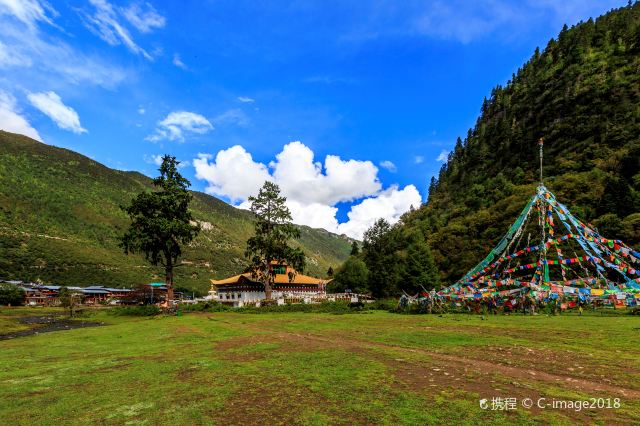
“Sacred, vast, and humbling — a place where weather decides everything, where Tibetan prayer flags snap in the wind at 4,000 meters, and where watching sunrise on the peaks can bring grown adults to tears.”
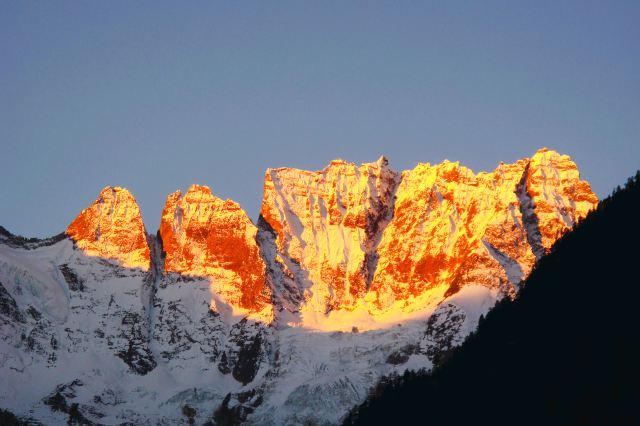
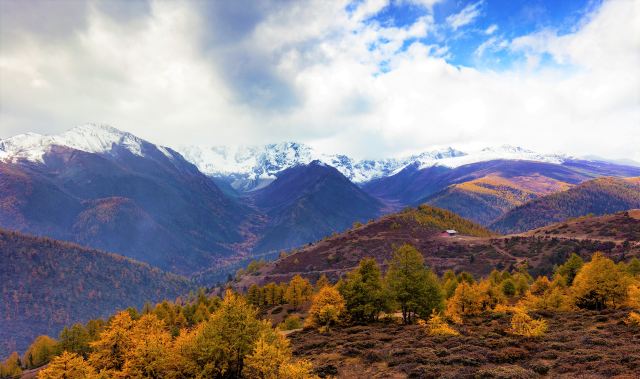
Meili Snow Mountain is the real thing — no theme park staging, no engineered viewpoints, just raw Himalayan grandeur that either rewards you with the most spectacular sunrise in China or hides behind clouds for days. The main peak Kawagebo (6,740m) remains unclimbed, permanently closed to mountaineering since 2001 after a 1991 disaster killed 17 climbers. This gives the mountain a genuine mystical quality — it's one of the eight sacred mountains of Tibetan Buddhism. The signature experience is 'Ri Zhao Jin Shan' (日照金山) — watching the first rays of dawn turn the thirteen snow peaks from white to gold. This happens best from October through May during clear weather, but there are absolutely no guarantees. Some visitors wait days and see nothing but cloud. The main viewing spots are Feilai Temple and Wunongding (Foggy Top) observation platforms near Deqin. For the adventurous, Yubeng Village is a remote Tibetan settlement accessible only by foot or mule, offering multi-day trekking with sacred waterfalls and glacial lakes. The journey itself — a 4-hour drive from Shangri-La through dramatic gorge scenery — is half the experience. This is not a polished tourist attraction; it's a pilgrimage site and wilderness area with basic accommodation and real altitude challenges.
Top Questions from Travelers
Why This Place Matters
Kawagebo is the most sacred mountain of the Khampa Tibetan people and one of the eight holy mountains of Tibetan Buddhism. The mountain has been permanently closed to climbing since 2001, following the 1991 Sino-Japanese expedition disaster in which all 17 climbers perished in an avalanche — the deadliest mountaineering accident in Chinese history. Local Tibetans believe the mountain gods punished the climbers for desecrating sacred ground. The 'outer kora' pilgrimage around the mountain takes 11-13 days on foot and is undertaken by devout Tibetans, especially during auspicious years. The 'Ri Zhao Jin Shan' (golden sunrise) is considered a blessing — Tibetans believe seeing it cleanses bad karma. This deep spiritual significance means the mountain experience transcends mere scenery; for Tibetan pilgrims and respectful visitors alike, Meili represents the boundary between the human world and the divine.
Need help planning?
ChinaPal handles everything
- Book English-speaking guides
- Arrange transport & tickets
- Real-time help during your visit
- Restaurant reservations nearby
Highlights
4 iconic experiences that define a visit
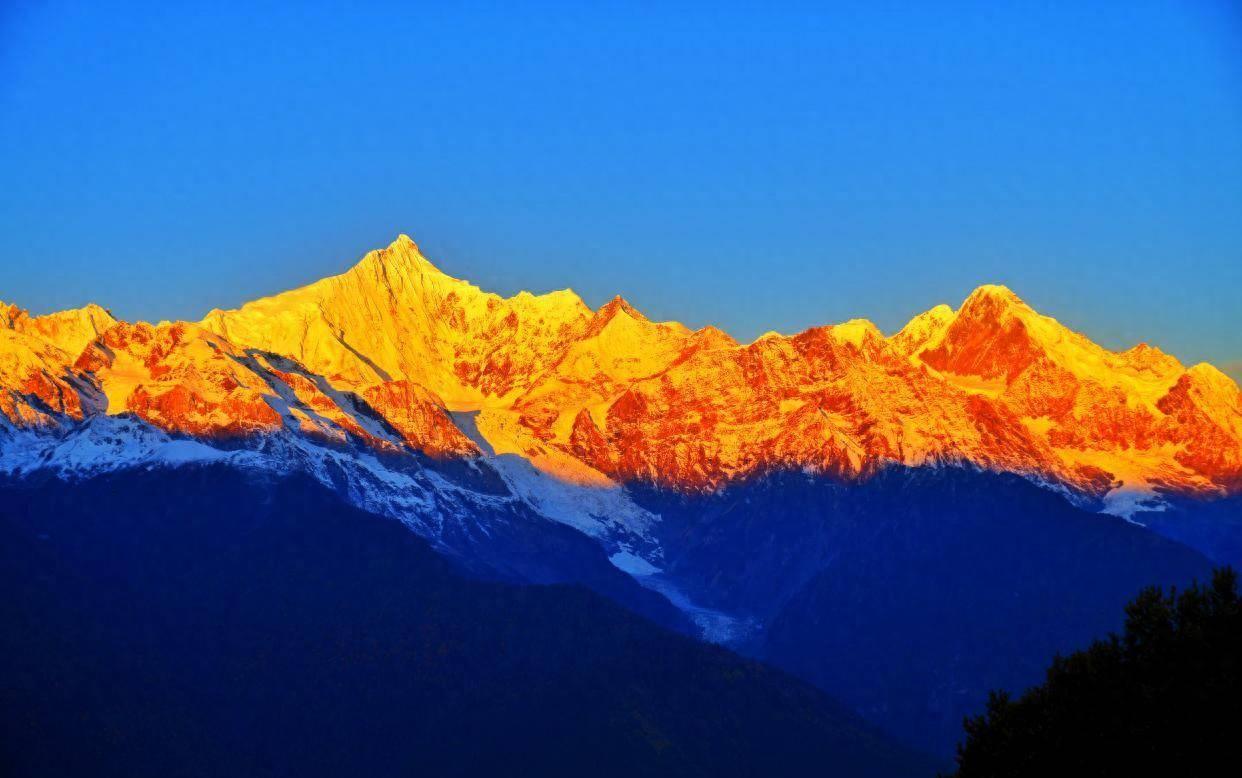
Ri Zhao Jin Shan (日照金山) — Golden Sunrise
The defining experience: watching the first rays of dawn transform Kawagebo's peak from white to gold, then cascade down to illuminate all thirteen peaks. The sky shifts through indigo, purple, pink, and finally blazing gold in about 10 minutes.
This is widely considered one of the most spectacular natural light phenomena in China. Tibetan pilgrims treat a clear golden sunrise as a blessing from the mountain gods. Even without spiritual beliefs, the visual impact is extraordinary.
 Universal Appeal
Yubeng Village (雨崩村)
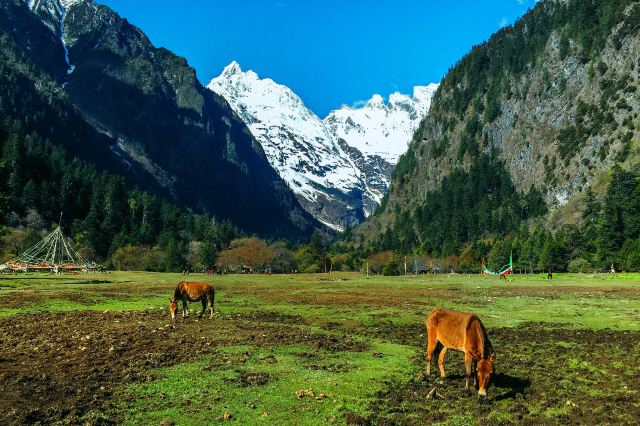
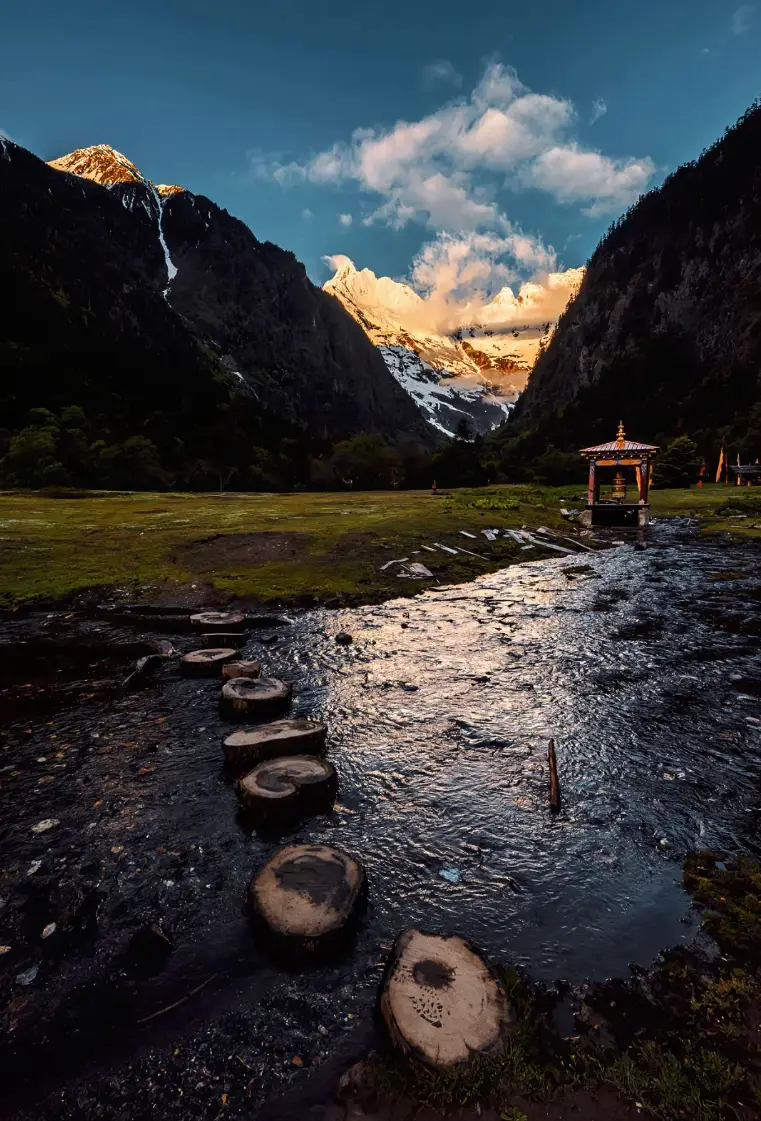
A remote Tibetan village accessible only on foot or by mule, nestled in a valley beneath the snow peaks. From here, day hikes lead to the Sacred Water...
 Universal Appeal
Feilai Temple Viewpoint (飞来寺观景台)
The most popular and accessible viewing platform, located about 5km from Deqin town. Offers a head-on panoramic view of the entire thirteen-peak range...
 Universal Appeal
The Drive from Shangri-La to Deqin
A 4-hour drive through some of China's most dramatic landscape — deep gorges, winding mountain passes, Tibetan villages, and the first glimpse of the ...
What Most Visitors Miss
Wunongding (Foggy Top) Observation Platform with 13 Pagodas
Most visitors only go to Feilai Temple, but the Wunongding platform (a few kilometers further) offers a wider panoramic view with all thirteen peaks visible simultaneously. The thirteen white pagodas representing the thirteen peaks make for a powerful foreground element.
The golden sunset on the peaks
Everyone focuses on sunrise, but on clear evenings, the setting sun also paints the peaks in warm gold and pink tones — with far fewer people watching.
Conversations with Tibetan pilgrims
Local Tibetans making the Kawagebo circumambulation pilgrimage (outer kora) are often happy to share their spiritual connection to the mountain. This human element adds depth beyond the visual spectacle.
Plan Your Visit
How Long to Visit
1 night/2 days (drive from Shangri-La, catch one sunrise attempt from Feilai Temple, return
2 nights/3 days (multiple sunrise attempts, visit Mingyong Glacier or Wunongding viewpoint, enjoy the drive
s (include the Yubeng Village trek with Sacred Waterfall and Ice Lake, multiple sunrise viewings
Smart Route
Day 1: Drive from Shangri-La to Deqin (4 hours), stopping at scenic viewpoints along the way. Check into a mountain-view hotel at Feilai Temple. Evening: scout the viewing platform location. Day 2: Pre-dawn sunrise viewing at Feilai Temple. If clouds, return to hotel and try again Day 3. Afternoon: drive to Wunongding 13 Pagodas viewpoint. Day 3: If doing Yubeng, drive to Xidang and begin the trek. If not, second sunrise attempt then return to Shangri-La.
Best Time to Visit
Pre-dawn (arrive at viewing platform by 6:00-6:30 AM) for the golden sunrise
June-September (rainy season) when clouds obscure the peaks most days
By Season
Spring
October-May is the viewing season
Summer
December-February offers the clearest skies and most reliable golden sunrise, but is bitterly cold (-10°C to -15°C at viewing platforms)
Autumn
Spring (March-May) and autumn (October-November) balance better weather odds with more comfortable temperatures
Winter
Book a hotel room with a mountain-facing window at Feilai Temple — you can check conditions from bed before committing to the freezing pre-dawn viewing platform. If clouds are thick at 6 AM, sleep in and try the next morning.
What to Skip
Don't pay for tourist 'VIP viewing platforms' if offered — the free Feilai Temple platform has the same view. Skip Mingyong Glacier if you're already doing Yubeng (Yubeng is far more impressive).
Pro Tips
Hire a driver from Shangri-La rather than taking the public bus — the driver can stop at scenic viewpoints along the route and the flexibility is worth the cost (¥500-800 round trip). If doing Yubeng, arrange your return driver in advance. Many travelers combine Meili with the Shangri-La-Lhasa overland route. If you'd rather not handle the logistics yourself, message us and we can arrange a reliable driver from Shangri-La with flexible scheduling for sunrise attempts.
Photo Spots
Feilai Temple Platform — golden sunrise
Set up your tripod 30-45 minutes before sunrise. Use a telephoto lens (70-200mm) to isolate Kawagebo's peak during the first gold moment, then switch to wide-angle for the full thirteen-peak panorama.
Wunongding 13 Pagodas with mountain backdrop
Frame the thirteen white pagodas in the foreground with the thirteen peaks behind them — each pagoda represents one peak. Late afternoon light is excellent here.
Yubeng Village with snow peaks above
From Upper Yubeng, the village rooftops and prayer flags frame Kawagebo's peak. Early morning and golden hour are best.
Pair With
Shangri-La (Dukezong Old Town & Songzanlin Monastery)
4 hours by car
The natural starting point for any Meili trip — spend 1-2 days in Shangri-La acclimatizing to altitude before the drive to Deqin.
Golden Monkey National Park (金丝猴国家公园)
Roadside stop on the drive
On the route between Shangri-La and Deqin — home to the endangered Yunnan snub-nosed monkey.
Tiger Leaping Gorge (虎跳峡)
2-3 hours from Shangri-La (opposite direction from Meili)
One of the world's deepest gorges, accessible from Shangri-La. Combine with Meili for the ultimate Yunnan mountain experience.
Tickets & Access
Feilai Temple Viewing Platform
The classic sunrise viewing spot — no ticket needed
Wunongding Viewing Platform (13 Pagodas)
Panoramic view of all thirteen peaks
Mingyong Glacier
China's lowest-altitude monsoon glacier
Yubeng Village area
Includes Sacred Waterfall and Ice Lake access
Opening Hours
Open 24/7 year-round. Feilai Temple viewing platform is free and accessible anytime. Specific scenic areas (Mingyong Glacier, Yubeng) have their own hours and fees.
How to Buy
Pay at entrance points. Accommodation in Deqin/Feilai Temple area bookable via Ctrip or walk-in.
Passport: Yes — passport accepted at all ticket points.
Queue Situation
No queues at viewing platforms. The Mingyong Glacier area can have some congestion during holidays. Yubeng trail is never crowded.
Tips & Warnings
No guarantee of seeing the golden sunrise
Cloud cover is unpredictable. Budget at least 2 mornings to improve your odds. Some travelers wait 3-4 days and never see it. Treat the sunrise as a bonus, not a guarantee — the mountain scenery, the drive, and the cultural experience are worthwhile regardless.
Serious altitude — Deqin is at 3,400m, viewing platforms higher
Arrive in Shangri-La (3,200m) at least one day before heading to Deqin. Drink plenty of water, avoid alcohol, and don't exert yourself on arrival day. Altitude sickness medication (Diamox) is recommended if you're sensitive. The Yubeng trek goes to 3,900m+.
Winter temperatures drop to -15°C at viewing platforms
The pre-dawn wait for sunrise in winter is genuinely brutal. Bring your warmest clothing — down jacket, thermal underwear, gloves, hat, and warm shoes. Hand warmers are a lifesaver.
Remote area with limited infrastructure
Deqin is a small county town. ATMs exist but may not accept foreign cards. Bring sufficient cash. Medical facilities are very basic. Phone signal can be patchy, especially on the Yubeng trek. If you need cash, medical supplies, or anything else arranged before heading to Deqin, our team can help you sort it out while you're still in Shangri-La.
What to Bring
Wear
Layers, layers, layers. Down jacket for pre-dawn viewing. Thermal base layers. Warm hat, gloves, scarf. Sturdy shoes (hiking boots if doing Yubeng). Sunglasses for snow glare.
Bring
Camera with tripod. Headlamp. Thermos for hot water. Altitude medication. Sunscreen (extreme UV at altitude). Cash (limited card acceptance). Snacks for the drive and treks. Portable battery pack.
Don't Bring
Heavy luggage — keep it light, especially if trekking to Yubeng. Leave excess bags at your Shangri-La hotel.
Physical Reality
easy (viewing platforms) to strenuous (Yubeng trek)
Feilai Temple viewing platform is accessible by car with minimal walking. Wunongding requires a short walk. Mingyong Glacier involves moderate hiking. Yubeng trek is 12km one way with significant altitude, taking 5-7 hours — strenuous at this elevation.
Foreigners Watch Out
- The 4-hour drive from Shangri-La involves mountain passes above 4,000m — take altitude seriously even if you felt fine in Shangri-La.
- Accommodation at Feilai Temple is basic — expect simple guesthouses, not luxury hotels. Hot water and heating are available but not always reliable.
- The Yubeng trek is at genuine altitude with no rescue infrastructure — bring basic first aid, altitude medication, and don't trek alone.
- Mobile signal (China Mobile works best) is intermittent around Deqin and largely absent on the Yubeng trek. Download offline maps.
- The mountain is sacred to Tibetans — don't point at the peak with one finger (use an open palm), don't shout or make excessive noise at viewing platforms, and respect prayer flags and stupas.
If Things Go Wrong
Multiple mornings with no clear sunrise
→ The mountain region is beautiful even without the golden sunrise. Visit Mingyong Glacier, explore Deqin town, or enjoy the dramatic cloud formations swirling around the peaks.
Altitude sickness
→ Descend immediately if symptoms worsen (severe headache, vomiting, confusion). Deqin has a basic hospital. For mild symptoms, rest, hydrate, and take altitude medication.
Road closures due to weather or landslides
→ The Shangri-La to Deqin road can be closed by snow or landslides, especially November-March. Check road conditions before departing. Your driver will know the latest situation. Message our team for real-time road condition updates — we can check with local contacts and help you adjust plans if the route is blocked.
Useful Chinese
Tap to reveal the English meaning