About Leshan Giant Buddha
“Monumental and humbling — standing at the feet of a 1,200-year-old colossus while three rivers churn below you, feeling genuinely small in the best possible way.”
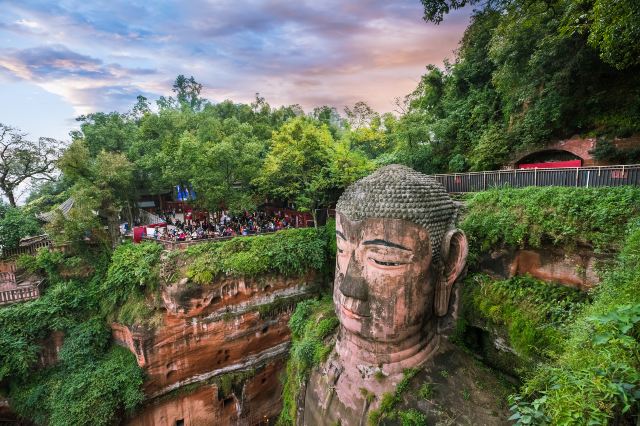
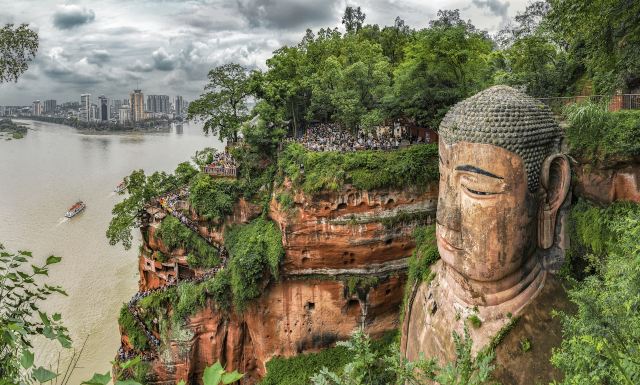
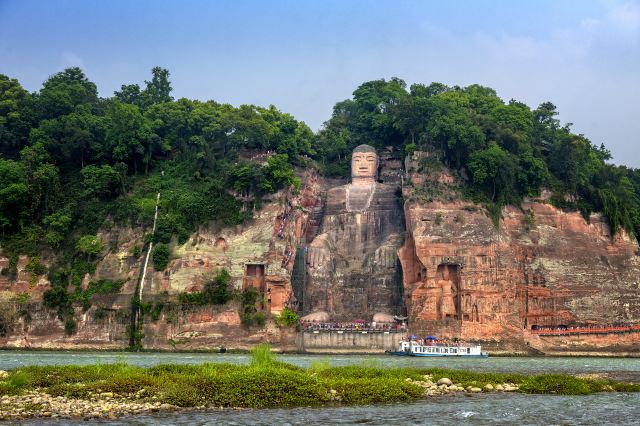
The Leshan Giant Buddha is genuinely awe-inspiring in person — photographs do not prepare you for the sheer scale of a statue whose pinky toe is large enough to sit on. The experience, however, depends entirely on which viewing option you choose and when you visit. The hiking route gets you close to the Buddha's head (3 meters away) and descends steep, narrow stairs carved into the cliff to the feet, but during peak season the queue for the stairway can exceed 2-3 hours in a slow-moving, single-file line that feels claustrophobic. The boat route (30-40 minutes) gives you a full frontal view from the river, which is actually better for photography and comprehending the statue's scale, but the boat only stops briefly (about 5 minutes) and river water levels can prevent operation. Beyond the Buddha itself, the surrounding temple complex — Lingyun Temple, Wuyou Temple, the Lingbao Pagoda, and the Su Dongpo memorial — is genuinely worth exploring and far less crowded. Best as a day trip from Chengdu for history lovers and anyone who appreciates monumental ancient engineering; manage expectations around crowds and the physical demands of the stairway descent.
Top Questions from Travelers
Why This Place Matters
The Leshan Giant Buddha was born from a monk's compassion and stubbornness. In 713 AD, Master Haitong witnessed countless boats capsized and lives lost at the treacherous confluence of three rivers. He conceived the audacious plan to carve a massive Maitreya Buddha into the cliff to calm the waters through divine protection. When a corrupt local official demanded bribes to allow the project, Haitong reportedly gouged out his own eyes and presented them on a plate, saying 'I would rather gouge out my eyes than give up the treasure of the Buddha.' The official, terrified, relented. The project outlived Haitong by decades — it took three generations and 90 years to complete. Ironically, the Buddha did calm the waters, but through physics: the massive amount of rock debris dumped into the river during carving altered the riverbed and reduced the dangerous currents. The statue represents Maitreya, the future Buddha who will bring a new age of peace — a fitting symbol for a project that literally made the river safer for travelers.
Need help planning?
ChinaPal handles everything
- Book English-speaking guides
- Arrange transport & tickets
- Real-time help during your visit
- Restaurant reservations nearby
Highlights
4 iconic experiences that define a visit
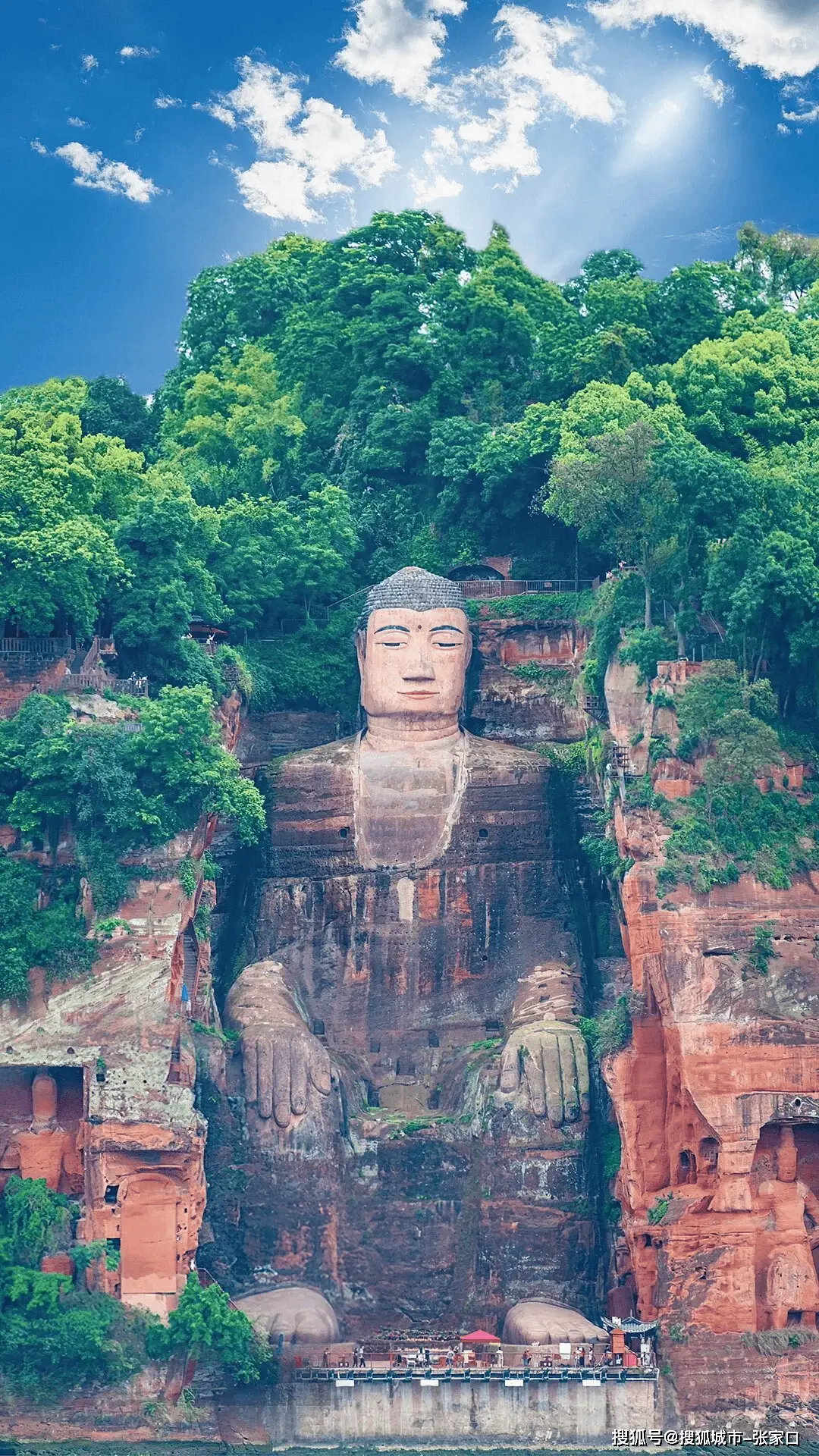
The Giant Buddha Statue (大佛)
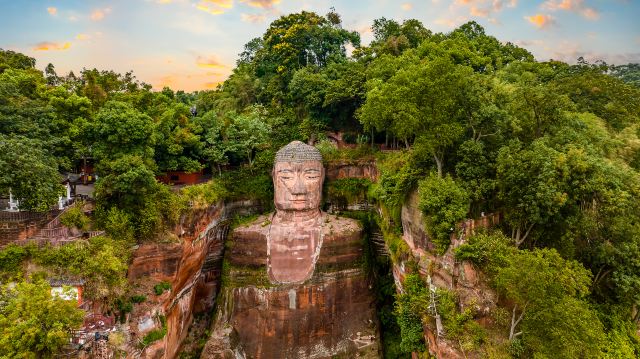
A 71-meter Maitreya (future Buddha) seated figure carved into the red sandstone cliff between 713-803 AD. The head alone is 14.7 meters tall, each ear is 7 meters long, and the 1,051 hair curls are individually carved stone blocks. An ingenious hidden drainage system in the hair, robes, and behind the head has preserved it for over 1,200 years.
The statue was originally covered in a 13-story wooden pavilion and painted with gold leaf — imagine it in its full glory. The hidden drainage channels in the hair curls and robe folds are a remarkable engineering achievement that you can spot up close.
 Universal Appeal
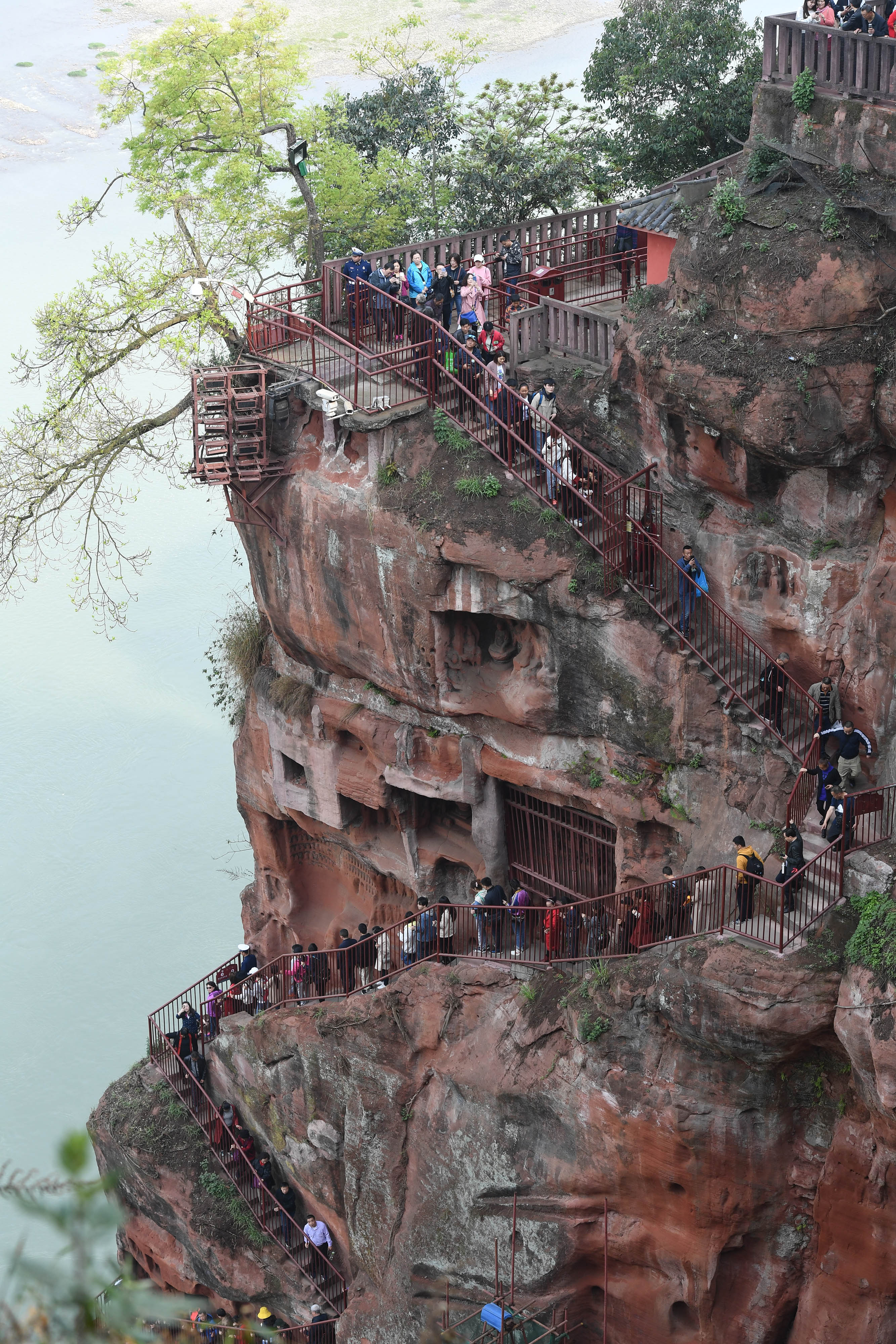
Nine-Turn Stairway (九曲栈道)
The original Tang Dynasty construction path carved into the cliff beside the Buddha — a steep, winding stairway that descends from head level to the f...
 Culturally Interesting
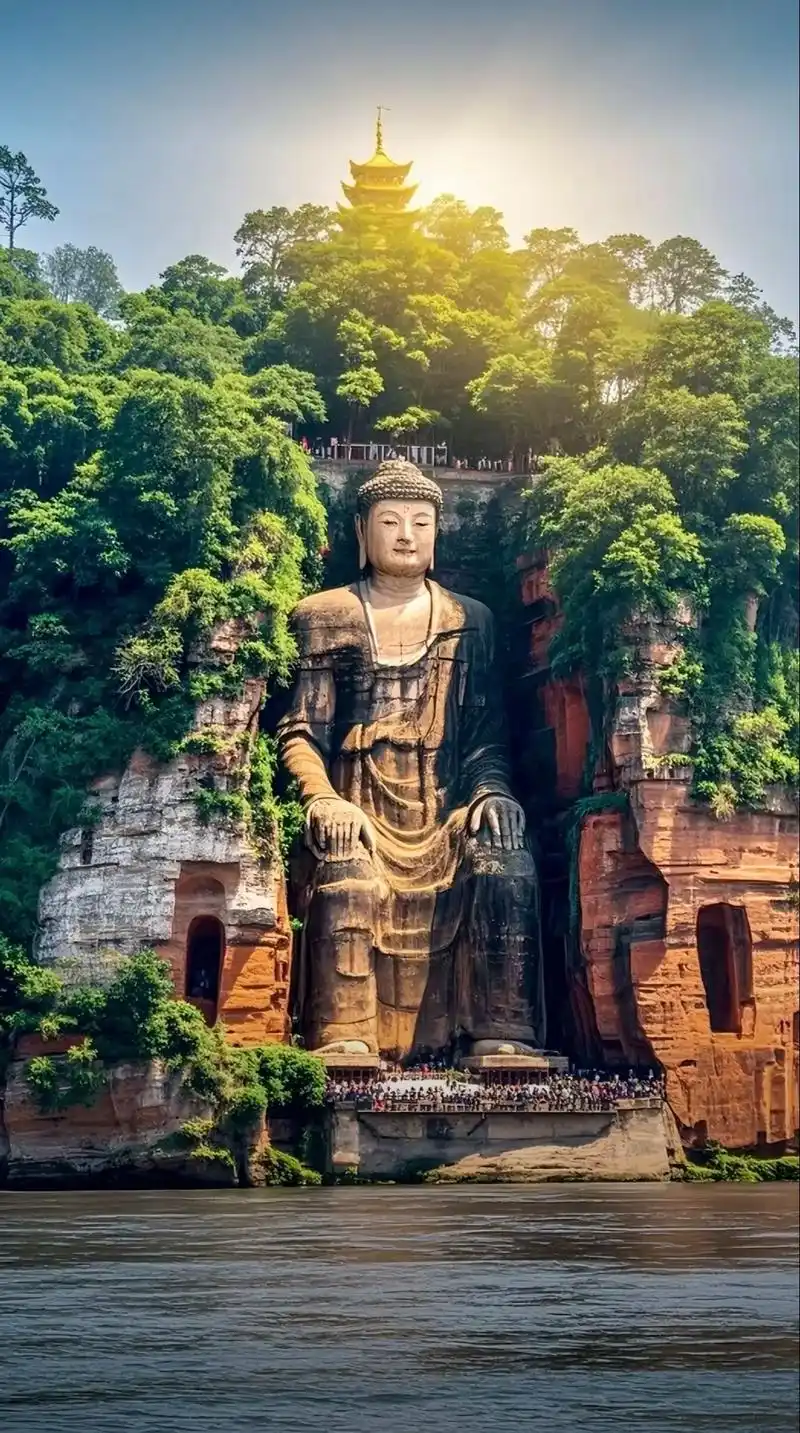
Lingyun Temple (凌云寺)
A Tang Dynasty Buddhist temple perched on the clifftop directly above the Buddha's head. The temple is still active with monks in residence, incense b...
 Universal Appeal
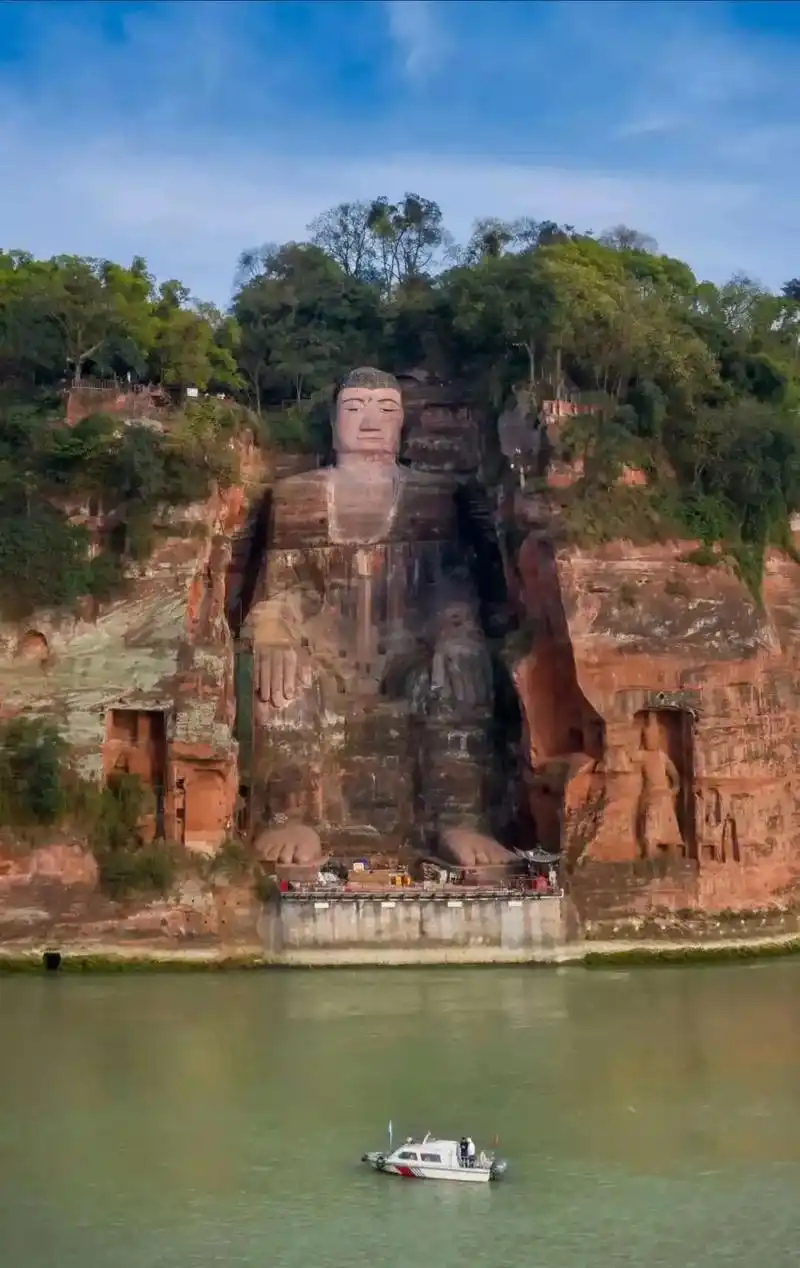
Three Rivers Confluence viewpoint
The spot where the Minjiang, Dadu, and Qingyi rivers meet — the exact reason the Buddha was built here. The turbulent waters at this confluence capsiz...
What Most Visitors Miss
Wuyou Temple (乌尤寺) on the adjacent island
A beautiful, much quieter Buddhist temple across a bridge from the main Buddha area, included in the hiking ticket. Most visitors are so focused on the Giant Buddha that they skip this genuinely atmospheric temple with excellent river views. It is one of the oldest temples in the region.
The 'Sleeping Buddha' mountain formation
When viewed from across the river or from the boat, the three mountains (Wuyou, Lingyun, and Guicheng) together form the silhouette of a reclining Buddha, with the Giant Buddha sitting at its heart. Most visitors never realize this — ask your guide or look for it during the boat ride.
Leshan city's local food scene
Leshan is famous for qiaojiao niurou (跷脚牛肉, a spectacular beef soup), tianpi ya (甜皮鸭, sweet-skinned duck), and ye'er ba (叶儿粑, leaf-wrapped rice cakes). Many day-trippers rush back to Chengdu without eating — dedicate an hour to lunch in town for food that rivals anything in Chengdu. If you want restaurant recommendations near the scenic area or help ordering in Chinese when you get there, drop us a message.
Plan Your Visit
How Long to Visit
1.5-2 hours (boat ride only — you'll see the Buddha from the river but miss the temples and close-up experience
hiking route to Buddha's head and feet, plus Lingyun Temple, Lingbao Pagoda, and the scenic paths — allows for queue time
Full day (both hiking and boat, plus Wuyou Temple, Su Dongpo memorial, and the night illumination cruise if available
Smart Route
Enter from the North Gate (北门), walk left up the mountain path to the Three Rivers viewpoint, then proceed to Lingyun Temple and the Buddha head platform. If the stairway queue is under 30 minutes, descend the Nine-Turn Stairway to the feet. Ascend via the opposite path. Continue to Wuyou Temple if time permits, then exit from the South Gate. Take a taxi to the boat dock and do the river cruise in the afternoon for the full-body photograph.
Best Time to Visit
Arrive when the gates open (7:30 AM summer, 8:00 AM winter) — queues for the stairway are minimal in the first hour
Chinese public holidays (National Day, May Day, Chinese New Year) and summer weekends (July-August) — stairway queues can exceed 3 hours and the entire experience becomes a slow-moving crowd
By Season
Spring
(March-May) and autumn (September-November) offer the best weather and manageable crowds. Winter (December-February) is cold but uncrowded — the best time for avoiding queues.
Summer
is brutally hot, crowded, and occasionally subject to flooding that closes the site. River water levels affect boat operations — winter mornings may have levels too low for boats.
Autumn
(September-November) offer the best weather and manageable crowds. Winter (December-February) is cold but uncrowded — the best time for avoiding queues.
Winter
(December-February) is cold but uncrowded — the best time for avoiding queues. Summer is brutally hot, crowded, and occasionally subject to flooding that closes the site.
Visit on a weekday in December — you might have the stairway nearly to yourself. If visiting in peak season and the stairway queue is over 2 hours, skip it and take the boat instead. The frontal river view is arguably more impressive than looking up from the feet.
What to Skip
The 'Oriental Buddha Park' (东方佛都) is a separate, adjacent attraction with modern reproductions — it is widely considered a tourist trap with no historical value. Do not confuse its ticket with the real Giant Buddha ticket. The sightseeing shuttle bus (¥15) from the visitor center saves only about 1km of flat walking and is not necessary for most visitors.
Pro Tips
Buy return train tickets to Chengdu immediately upon arriving at Leshan Station — they sell out, especially on weekends. If the stairway is closed for maintenance (check online before visiting), the boat becomes the primary way to see the full Buddha and is still very worthwhile. Hire a local guide (¥200 for a group) — the history is fascinating and the guides point out hidden details like the drainage system and the sleeping Buddha formation.
Photo Spots
From the boat on the river (frontal view)
Stand on the upper deck, starboard side (right side facing forward on the outbound journey). The boat pauses for about 5 minutes — have your camera ready.
Head-level platform (佛头广场)
Arrive before 9 AM for the thinnest crowds. The platform lets you stand just 3 meters from the Buddha's massive head.
Opposite riverbank at Jiazhou Fisherman's Wharf
Free viewing point. Best in late afternoon with sunset light on the cliff face.
Pair With
Mount Emei (峨眉山)
1-hour drive or high-speed train from Leshan
One of China's Four Sacred Buddhist Mountains, just 1 hour from Leshan. Together they form a UNESCO World Heritage Site. Golden Summit temple, hiking, and wild monkeys. Can be combined as a 2-day trip from Chengdu.
Chengdu Panda Base (成都大熊猫繁育研究基地)
2.5-hour drive or train back to Chengdu, then 30 minutes to Panda Base
Many organized day tours combine the Giant Buddha morning visit with an afternoon Panda Base visit — the two most iconic Chengdu-area attractions in one day.
Leshan old town and food streets
15-minute taxi from the Giant Buddha scenic area
Leshan is a culinary gem often overlooked by day-trippers. The local beef soup (跷脚牛肉), sweet-skinned duck, and street food scene are worth dedicating an hour to before catching the train back.
Tickets & Access
Hiking/walking ticket (游山票)
Includes all temples, pagoda, and the stairway descent to the Buddha's feet
Boat cruise ticket (游船票)
30-40 minute round trip with frontal Buddha view — best for photography
Night cruise (夜游三江)
Illuminated Buddha and river light show — summer evenings only
Sightseeing shuttle bus
From visitor center to park entrance — saves ~1km walk but not essential
Opening Hours
Summer (Apr 1-Oct 7): 07:30-18:30 (hiking), 07:30-18:00 (boats). Winter (Oct 8-Mar 31): 08:00-17:30 (hiking), 08:00-17:00 (boats). Night cruise: 19:30 and 20:30 departures (summer only). Last entry 17:30 before closing.
How to Buy
Online through Trip.com (foreigner-friendly), the Leshan Giant Buddha official WeChat mini-program, or at the ticket office with passport. Online booking is strongly recommended for peak dates. Boat tickets can also be booked 2 days in advance during peak season. If the WeChat mini-program is giving you trouble (it requires a Chinese phone number), message our team and we can handle the ticket booking for you.
Passport: Yes — passport is required for ticket purchase both online and at the window. Students with valid ID get half-price. Children under 1.2m and seniors over 65 enter free.
Queue Situation
The main bottleneck is the Nine-Turn Stairway (九曲栈道) descent from the Buddha's head to feet — this narrow cliff-side path can only accommodate single-file traffic. Weekday off-season: 0-15 minutes. Weekday peak season: 30-60 minutes. Weekend/holiday: 1-3+ hours. The stairway is sometimes closed entirely for maintenance, in which case you can only see the Buddha from the head level or by boat.
Tips & Warnings
The Nine-Turn Stairway is extremely steep and narrow
This is not a gentle walk — the cliff-carved stairs are steep, slippery when wet, and the drop beside you is significant. Not suitable for those with heart conditions, severe fear of heights, mobility issues, or young children. Wear shoes with grip. If this sounds daunting, the boat gives you a better overall view anyway.
Queue times for the stairway can be extreme
During peak season, 2-3 hour waits are common and there is no shade in the queue. Bring water, sunscreen, and patience. There is no fast-pass option. If the queue exceeds your tolerance, abandon it and take the boat instead — seriously, the boat view is better for photography.
The stairway is periodically closed for maintenance
Check the official WeChat account or call ahead before planning your trip specifically around the stairway descent. When closed, you can still see the Buddha from the head-level platform and by boat, but you cannot descend to the feet.
Tourist scams near the entrance
Unofficial guides and tour operators outside the gates may overcharge or include mandatory 'donations' (some visitors report being charged ¥300+ for extras they didn't request). Buy tickets only from the official ticket office or online. If hiring a guide, confirm the total price upfront and ensure they are officially licensed. Our team can also arrange a vetted English-speaking guide in advance, so you don't have to negotiate with the touts at the gate.
What to Bring
Wear
Comfortable shoes with good grip — the stairway is steep and can be wet. Dress in layers as the mountain paths are cool and shaded while the queue areas are exposed to sun. In summer, bring light clothing but expect sweating. In winter, bring a warm jacket as the river winds are cold.
Bring
Water bottle (essential — limited vendors inside). Sunscreen and hat. Umbrella or light rain jacket. Snacks. Passport for ticket purchase. Portable charger. Cash as backup for bus fare.
Don't Bring
Heavy luggage (there is free luggage storage at the boat cruise center). High heels or slippery shoes. Drones (prohibited in the scenic area).
Physical Reality
strenuous
The hiking route involves significant climbing on mountain paths with hundreds of stone steps. The Nine-Turn Stairway descent is extremely steep, narrow, and carved into the cliff face. The round trip from entrance to Buddha's feet and back is approximately 2-3 hours of walking. The boat route requires minimal physical effort and is fully accessible.
Foreigners Watch Out
- Passport is required for ticket purchase — both at the window and online. Have your passport number ready when booking.
- The 'Oriental Buddha Park' (东方佛都) next door is a separate attraction with modern reproductions and costs ¥70 extra. Some touts try to sell combined tickets implying it is part of the Giant Buddha — it is not. The real Giant Buddha ticket is labeled '游山票' (hiking ticket).
- Boat operations depend on river water levels — winter mornings and dry seasons may see boats suspended. Check conditions before planning a boat-only visit.
- WeChat Pay and Alipay are the primary payment methods everywhere at the site and in Leshan city. Carry cash as backup but expect difficulty using it at some vendors.
- The bus from Leshan train station (K1 route) accepts mobile payment codes but bus 032 requires exact cash (¥2) — have coins ready.
If Things Go Wrong
Tickets sold out for hiking route on your chosen date
→ Check the official booking platform repeatedly — cancellations create availability. Alternatively, the boat cruise ticket is usually easier to obtain and gives you the iconic frontal view.
Stairway closed for maintenance
→ You can still see the Buddha from the head-level platform (included in the hiking ticket) and from the boat. The head-level view from just 3 meters away is actually more intimate than the view from the feet.
Boats not running due to low water levels
→ Focus on the hiking route instead. The head-level platform and the stairway descent (if open) provide close-up views that the boat cannot match.
Useful Chinese
Tap to reveal the English meaning