About Jinshanling Great Wall
“Epic, solitary, and humbling — the raw, windswept Wall stretching endlessly across mountain ridges, exactly as you imagined it from every documentary you've ever watched.”
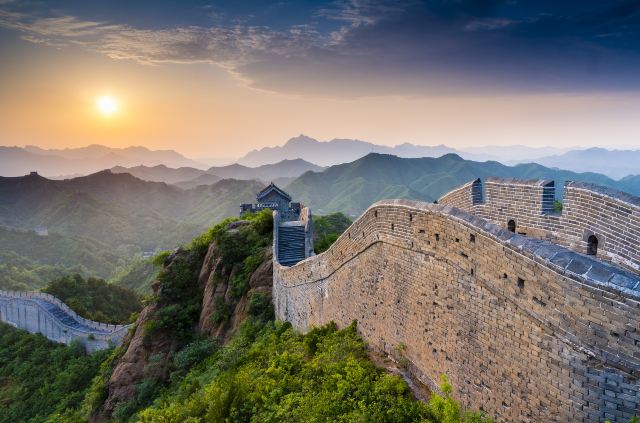
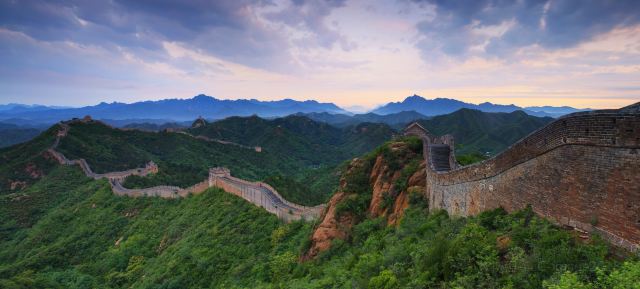
Jinshanling is the Great Wall section that photographers dream about and hikers crave. Built in 1570 under the legendary General Qi Jiguang, this 10.5km stretch features 67 watchtowers — the highest density on the entire Wall — with original Ming Dynasty architectural details largely intact. Unlike Badaling's polished tourist corridors, Jinshanling offers a raw, semi-restored experience where you walk sections of genuinely ancient wall, climb through crumbling watchtowers, and gaze across endless mountain ridges with remarkably few other visitors. The 5-6km accessible section takes 3-5 hours to hike depending on fitness, with some very steep sections that require genuine effort. The cable car skips the toughest climb. This is the CCTV national anthem Great Wall — the backdrop used in China's daily national broadcast. It's 130km from Beijing (2.5 hours by car, or direct weekend bus from Dongzhimen) making it a full-day commitment, but for anyone who wants the 'real' Great Wall experience, Jinshanling is it.
Top Questions from Travelers
Why This Place Matters
Jinshanling was built by General Qi Jiguang, one of China's greatest military heroes, who was reassigned from fighting Japanese pirates on the southeast coast to defending Beijing's northern frontier in 1567. He redesigned the Great Wall's defensive systems, creating the sophisticated watchtower designs you see here — each one a unique tactical solution for its specific terrain. The 67 towers at Jinshanling represent the pinnacle of Ming Dynasty military architecture. This section has survived largely because it was too remote and strategically unimportant to demolish during later periods, leaving it in a state of authentic ancient grandeur that restored sections can never replicate.
Need help planning?
ChinaPal handles everything
- Book English-speaking guides
- Arrange transport & tickets
- Real-time help during your visit
- Restaurant reservations nearby
Highlights
3 iconic experiences that define a visit
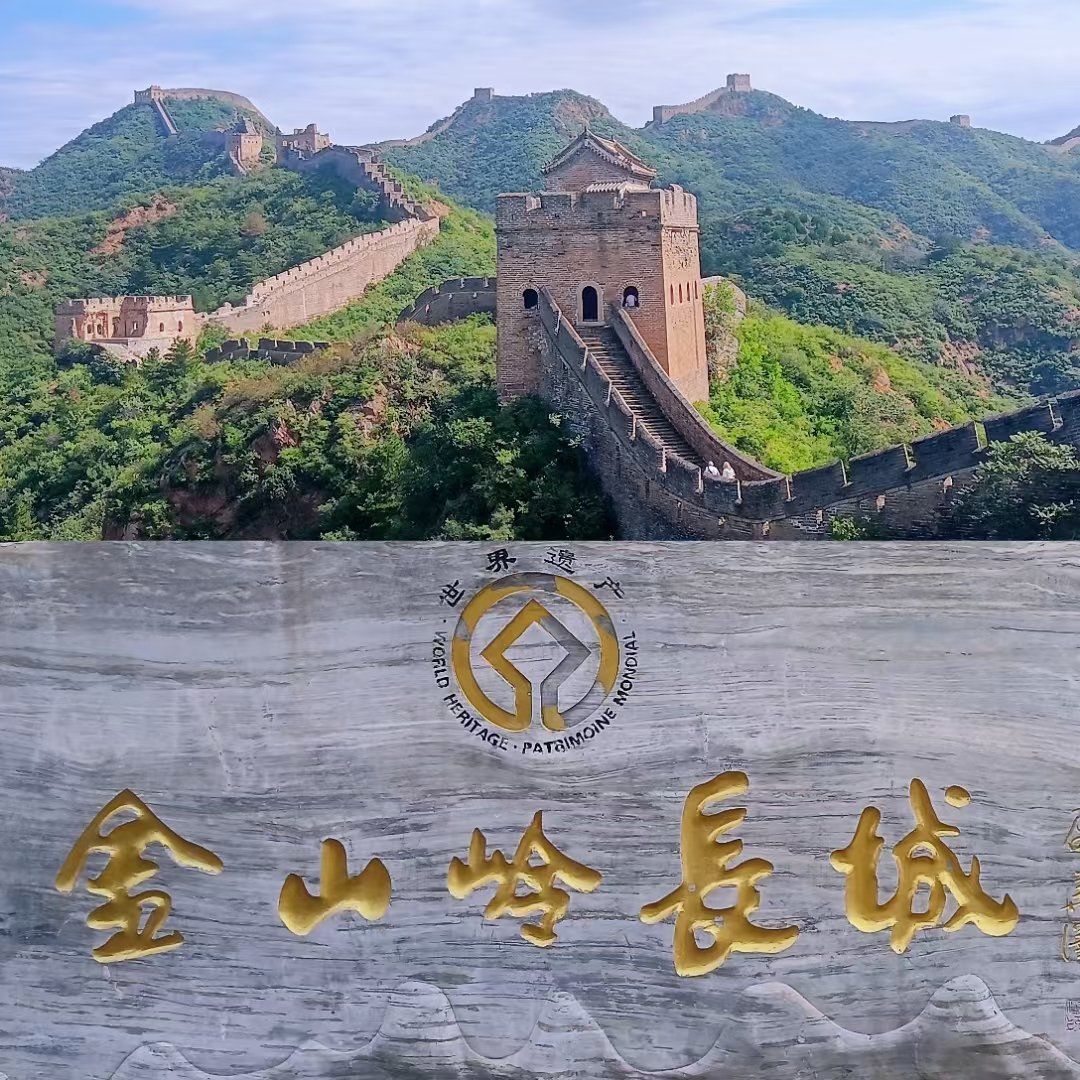
Watchtower Density
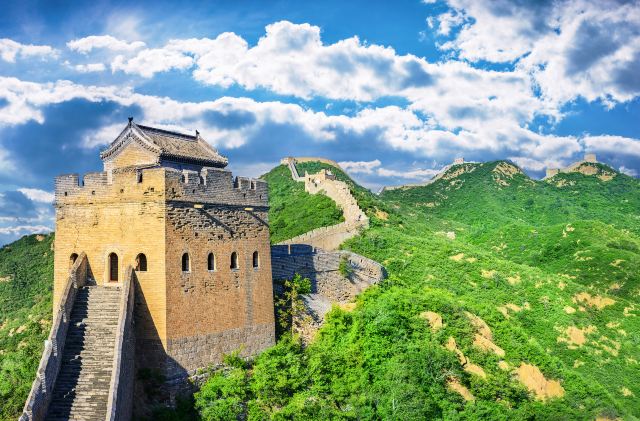
67 watchtowers across 10.5km — the highest concentration on the entire Great Wall. Each tower has a unique design. Some can be climbed and entered; others are sealed ruins. The variety of defensive features (barrier walls, horse-blocking walls, support walls) is unmatched.
General Qi Jiguang designed each tower differently based on the terrain and tactical needs. This makes Jinshanling an open-air military architecture museum.
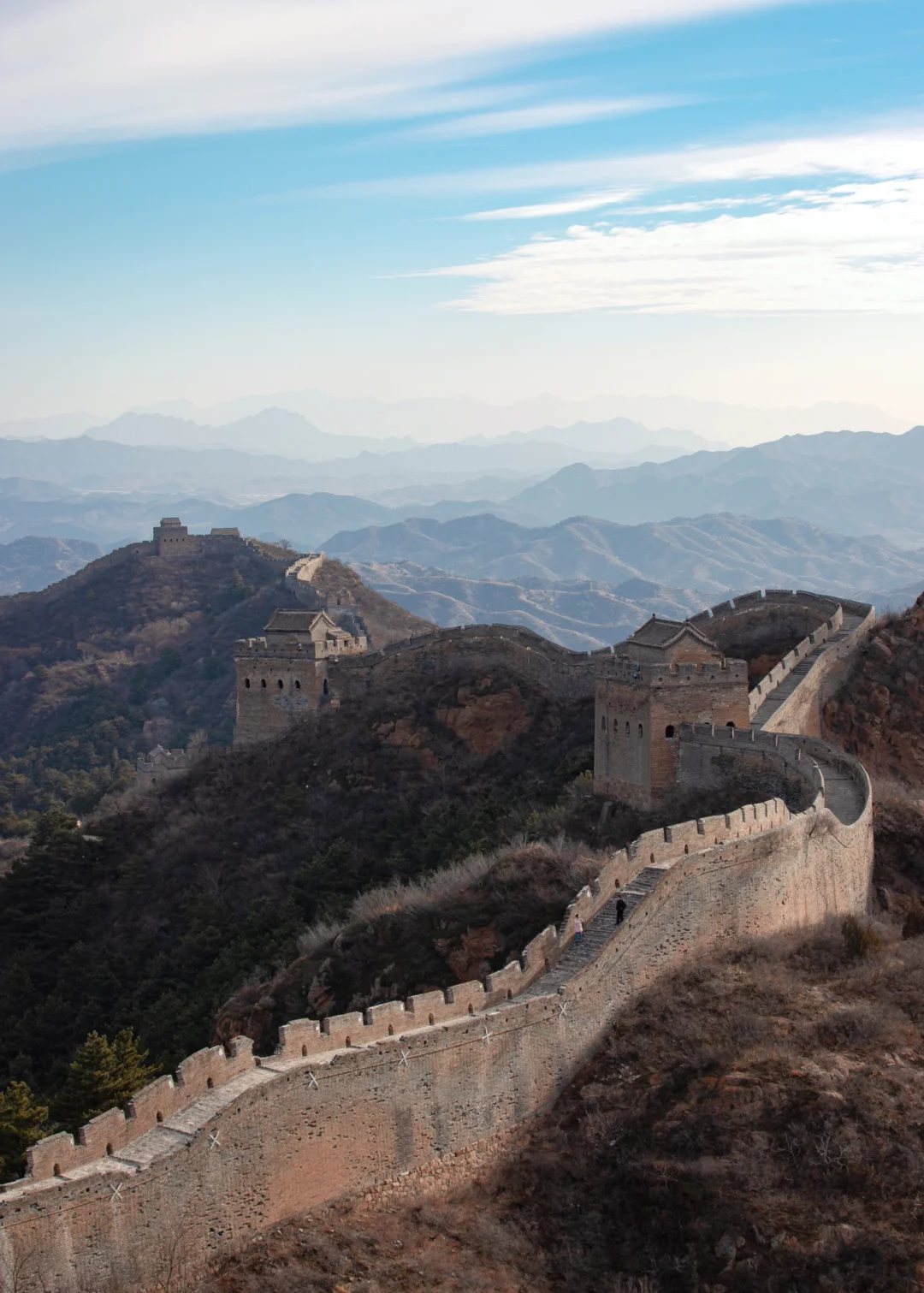 Universal Appeal
Semi-Wild Wall Sections
Parts of Jinshanling are restored; others retain their crumbling, overgrown original state. Walking from restored to wild sections gives you the full ...
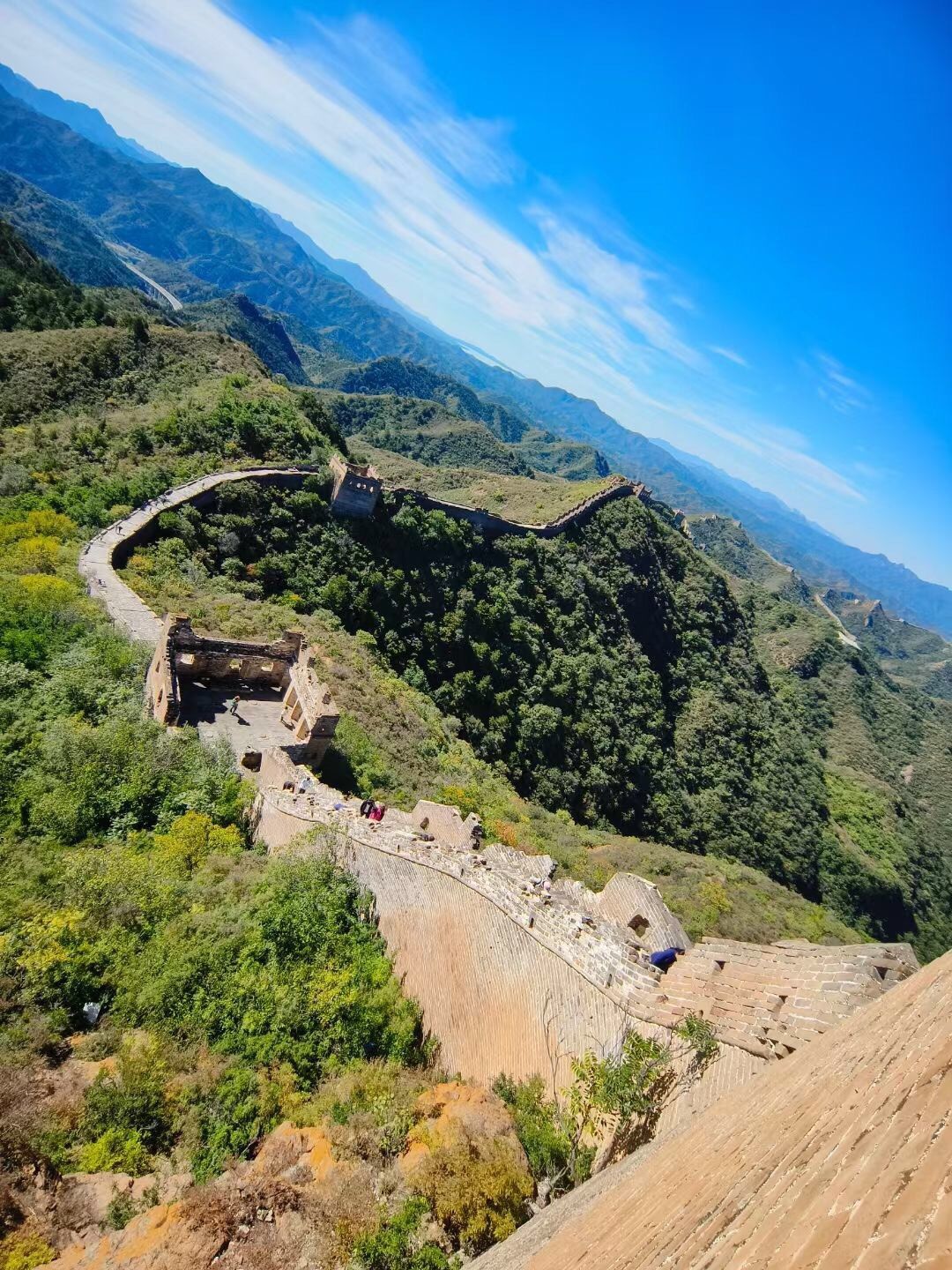 Universal Appeal
Mountain Panoramas
Jinshanling sits at 700-986m elevation with the wall following ridgelines in both directions. On clear days, you can see the wall snaking across mount...
What Most Visitors Miss
Sunrise/sunset from the wall
Most day-trippers arrive mid-morning and leave by afternoon. The truly magical moments are dawn and dusk when golden light hits the ancient wall. Stay overnight in a nearby farmhouse to catch these.
The connection to Simatai Great Wall
Jinshanling connects to Simatai to the east. While the official through-hike is currently restricted, understanding that you're standing on a continuous defensive line spanning hundreds of kilometers adds to the awe.
Cloud sea (云海) mornings
During autumn mornings, low clouds fill the valleys while the wall rides above them on the ridgeline — an ethereal, once-in-a-lifetime photo opportunity that requires an overnight stay to catch.
Plan Your Visit
How Long to Visit
cable car up, walk 1-2km of wall, cable car down
hike the main 3-4km scenic sections with multiple watchtowers
Full day or overnight (sunrise/sunset photography, full east-west traverse, stay in nearby farmhouse
Smart Route
Drive or take the direct bus from Beijing (2.5 hours)
Enter via center gate
Take the cable car up to skip the steep initial climb
Walk east along the wall toward the Generals' Tower (best views)
Continue as far as your fitness allows
Return along the wall to the center gate
Cable car or walk down.
Best Time to Visit
Sunrise and sunset are magical — the wall catches golden light against mountain silhouettes
National holidays bring crowds even here
By Season
Spring
(April-May) has wildflowers and clear skies. Summer is hot and hazy but green.
Summer
is hot and hazy but green. Winter is dramatic with snow on the wall but dangerously icy on steep sections.
Autumn
(September-November) is peak — spectacular foliage colors against the ancient wall. Spring (April-May) has wildflowers and clear skies.
Winter
Stay overnight in a farmhouse near the wall to catch both sunset and sunrise. The colors during golden hour with the wall snaking across ridges is the definitive Great Wall photograph. The Beijing Tourism Bus runs direct weekend service from Dongzhimen.
What to Skip
The west section is less scenic than the east. If time is limited, head east from the center gate for the best watchtower density and panoramic views.
Pro Tips
Beijing Tourism Direct Bus (北京旅游集散中心直通车) runs from Dongzhimen on weekends — includes transport and ticket in a package. For photographers, the autumn cloud-sea effect requires an overnight stay and early 4:30 AM start. Bring more water than you think you need — there are zero supply points on the wall.
Photo Spots
Eastern section ridge looking west
The classic snaking-wall-across-mountains composition. Best at sunrise with mist in the valleys. Use a telephoto lens to compress the ridgelines.
Generals' Tower at sunset
Position yourself inside or beside the tower as the sun sets behind the western ridgeline. The golden light on ancient brick is extraordinary.
Cloud sea from elevated watchtower (autumn mornings)
Requires overnight stay and 4:30 AM start. Clouds fill valleys while the wall rides above them — an ethereal, magazine-cover image.
Pair With
Gubei Water Town (古北水镇)
15-minute drive
A restored canal town just 10km from Jinshanling with hotels, restaurants, and a night-lit waterside atmosphere. Makes a perfect overnight base before or after a Jinshanling hike.
Simatai Great Wall (司马台长城)
20-minute drive
The only Great Wall section open at night, adjacent to Gubei Water Town. Combining Jinshanling daytime + Simatai nighttime creates the ultimate Wall experience.
Tickets & Access
Adult admission
Access to the full Jinshanling section
Cable car (one-way)
Skips the steep initial climb to the wall
Shuttle bus (parking to entrance)
Required — private cars park outside, shuttle to gate
Opening Hours
Peak season (Mar 16-Oct 31): 4:30 AM - 6:00 PM. Off-season (Nov 1-Mar 15): 5:00 AM - 5:30 PM. Last ticket sale 4:30 PM peak / 3:30 PM off-season.
How to Buy
Buy at the gate with WeChat Pay or cash. Online via Trip.com for guaranteed entry during peak dates.
Passport: Yes — foreigners enter with passport.
Queue Situation
Minimal queues year-round — this is one of the Wall's least crowded sections. Autumn weekends may see moderate crowds but nothing like Badaling.
Tips & Warnings
Very steep and physically demanding sections
Some stone steps are 40-50cm high with no handrails. Proper hiking shoes are essential, not optional. People with knee problems or vertigo should stick to the restored sections near the center gate.
No supplies on the wall
Once on the wall, there are zero shops, water refills, or toilets until you return to the base. Bring at least 1.5L water, snacks, and plan accordingly. If you forgot supplies, message us before you head up and we can arrange water and snacks delivered to the base area for when you come down.
Winter ice makes the wall dangerous
Stone steps covered in ice are extremely slippery. Winter visits are dramatic for photography but genuinely dangerous without proper equipment. Crampons are recommended.
2.5 hours from Beijing each way
This is a full-day commitment. Leave Beijing by 7:00 AM at the latest. Consider an overnight stay near the wall for sunrise/sunset photography.
What to Bring
Wear
Proper hiking shoes with ankle support and good grip (absolutely essential). Layers — temperature varies significantly with altitude and wind. Windbreaker or rain jacket. Hat and sunglasses.
Bring
Passport. 1.5L+ water per person. Energy bars/snacks. Sunscreen. Windbreaker. Camera with wide-angle lens. Portable charger. Small first aid kit.
Don't Bring
Dress shoes, sandals, or heels. Large backpacks (you'll be climbing through narrow tower doorways). Drones (prohibited).
Physical Reality
challenging
Steep stone steps (some 40-50cm high), sustained uphill and downhill walking on uneven surfaces. The cable car eliminates the hardest initial climb but the wall itself has many steep sections. Total elevation change of 200-300m across the hike. Full traverse is 5-6km of demanding terrain.
Foreigners Watch Out
- The wall is in Hebei Province, not Beijing — this means it's technically outside Beijing's jurisdiction. Your Beijing metro card won't work on local transport here.
- Cell phone signal is intermittent on the wall. Download offline maps before you go.
- There are very few other tourists, especially on weekdays. While this is the appeal, it also means limited help if something goes wrong. Tell someone your hiking plan. Share your route with our team before you head up — if anything goes wrong on the wall, we can coordinate help and communicate with local services on your behalf.
- Some local vendors at the base sell water and snacks at reasonable prices — stock up before ascending.
If Things Go Wrong
Too exhausted to complete the planned hike
→ Turn back the way you came — the wall is linear. Descend at the center gate via cable car. There's no shame in a shorter hike; even 1-2km on this wall is magnificent.
Weather turns bad (rain, fog, wind)
→ Stone steps become dangerously slippery when wet. Descend immediately via the nearest marked path. Don't try to push through — falls on the Great Wall are serious.
Useful Chinese
Tap to reveal the English meaning