About Shuhe Ancient Town
“A water-fed Naxi village caught between preservation and tourism — still quiet enough to hear birdsong and running water in the back streets, but the main drag is slowly turning into Lijiang 2.0.”
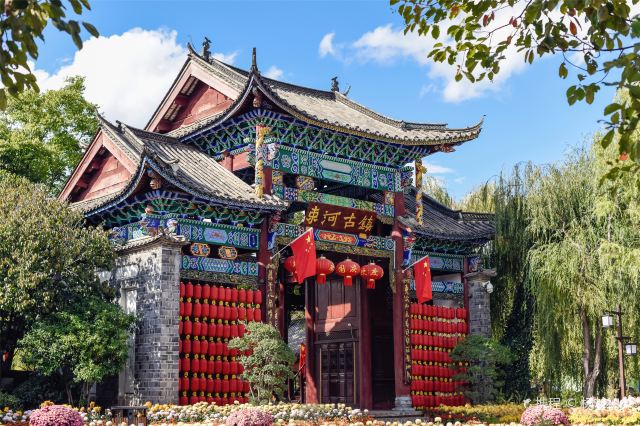
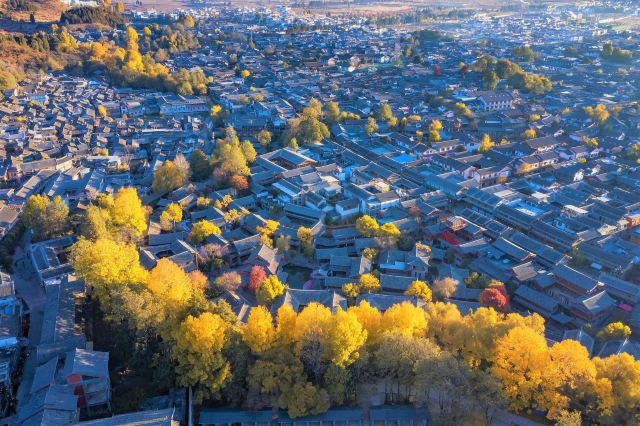
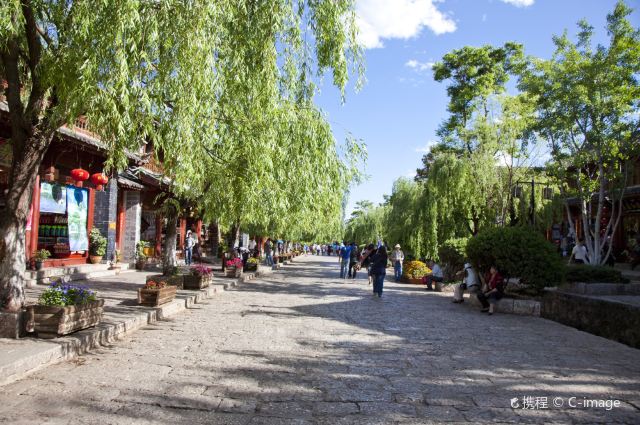
Shuhe Ancient Town is what Lijiang Old Town used to be before it got famous. As the earliest Naxi settlement in the Lijiang basin and a key stop on the ancient Tea Horse Road, it carries genuine historical weight — UNESCO World Heritage status included. The town is visibly less crowded and commercialized than Lijiang proper, with cleaner water running through its canals, more local Naxi residents still living in traditional houses, and a slower, more livable pace. Nine Dragon Pool (九鼎龙潭) at the north end has spring water so clear it reflects Jade Dragon Snow Mountain. The Tea Horse Road Museum is small but fascinating. That said, commercialization has arrived — the main streets are increasingly lined with the same generic souvenir shops, costume rental places, and bars that plague every Chinese ancient town. The magic is in the back streets and residential areas where daily Naxi life continues. Best as a base for exploring the Lijiang region rather than a standalone day trip.
Top Questions from Travelers
Why This Place Matters
Shuhe was the first Naxi settlement in the Lijiang basin, predating Lijiang Old Town by centuries. Its name in Naxi language means 'village at the foot of a peak.' The town's prosperity came from the Tea Horse Road — the ancient trade network that transported Yunnan tea to Tibet in exchange for horses, passing through treacherous mountain terrain. Shuhe's position made it a critical rest stop and trading post, and the leather workers here supplied saddles and gear to the caravan traders. The Naxi people have their own writing system (Dongba script), religious traditions, and matrilineal customs that make their culture distinct from Han Chinese. Shuhe, as the oldest Naxi settlement, represents the transition from nomadic to agricultural to commercial life — a living archaeological record of Naxi cultural evolution.
Need help planning?
ChinaPal handles everything
- Book English-speaking guides
- Arrange transport & tickets
- Real-time help during your visit
- Restaurant reservations nearby
Highlights
4 iconic experiences that define a visit
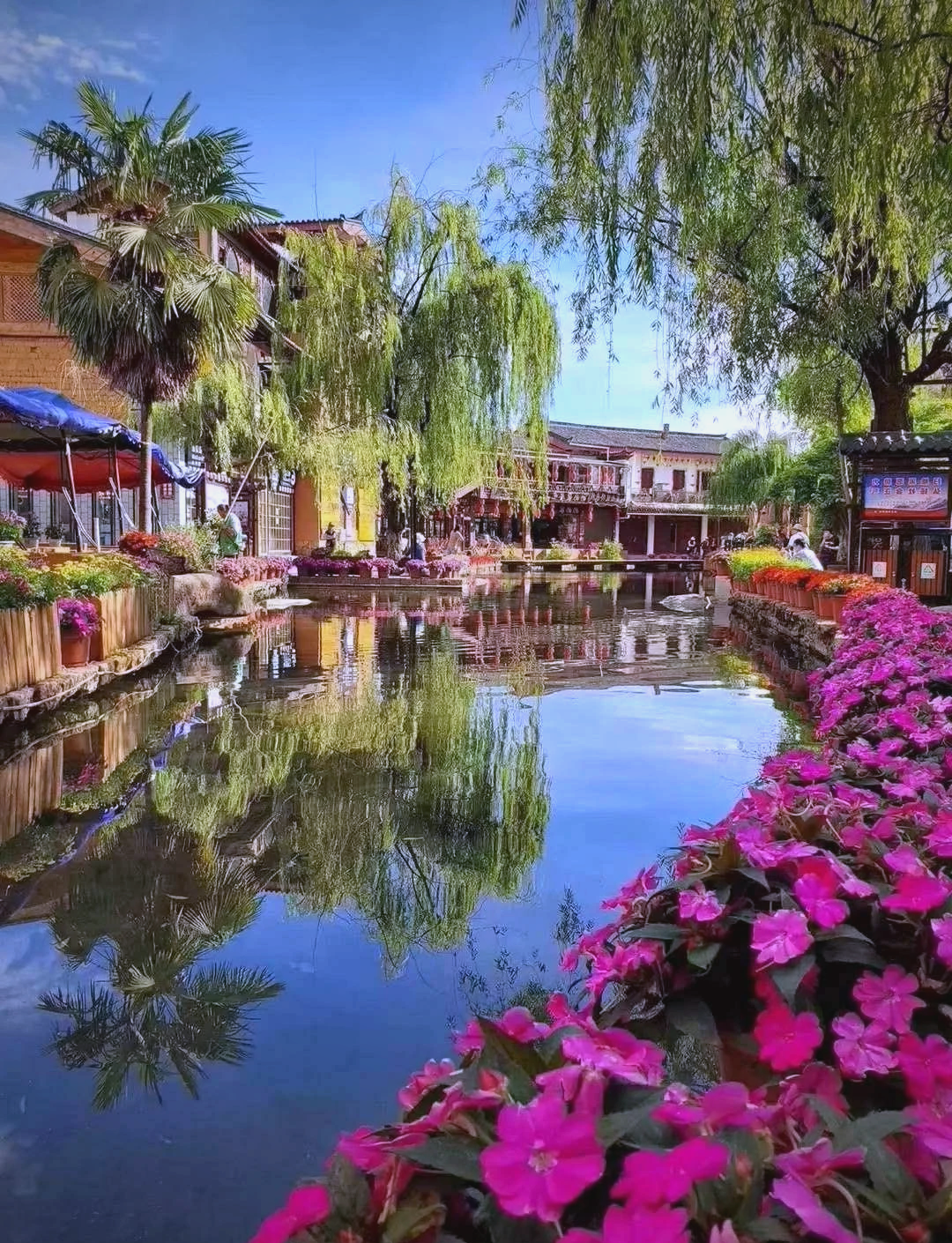
Nine Dragon Pool (九鼎龙潭)
A natural spring pool at the north end of town fed by snowmelt from Jade Dragon Snow Mountain. The water is crystal clear with visible aquatic plants swaying beneath the surface. On clear days, the snow mountain reflects in the pool.
The pool is the source of all the water flowing through Shuhe's canals — the Naxi people consider it sacred. The surrounding ancient trees and small temple create a serene atmosphere.
 Universal Appeal
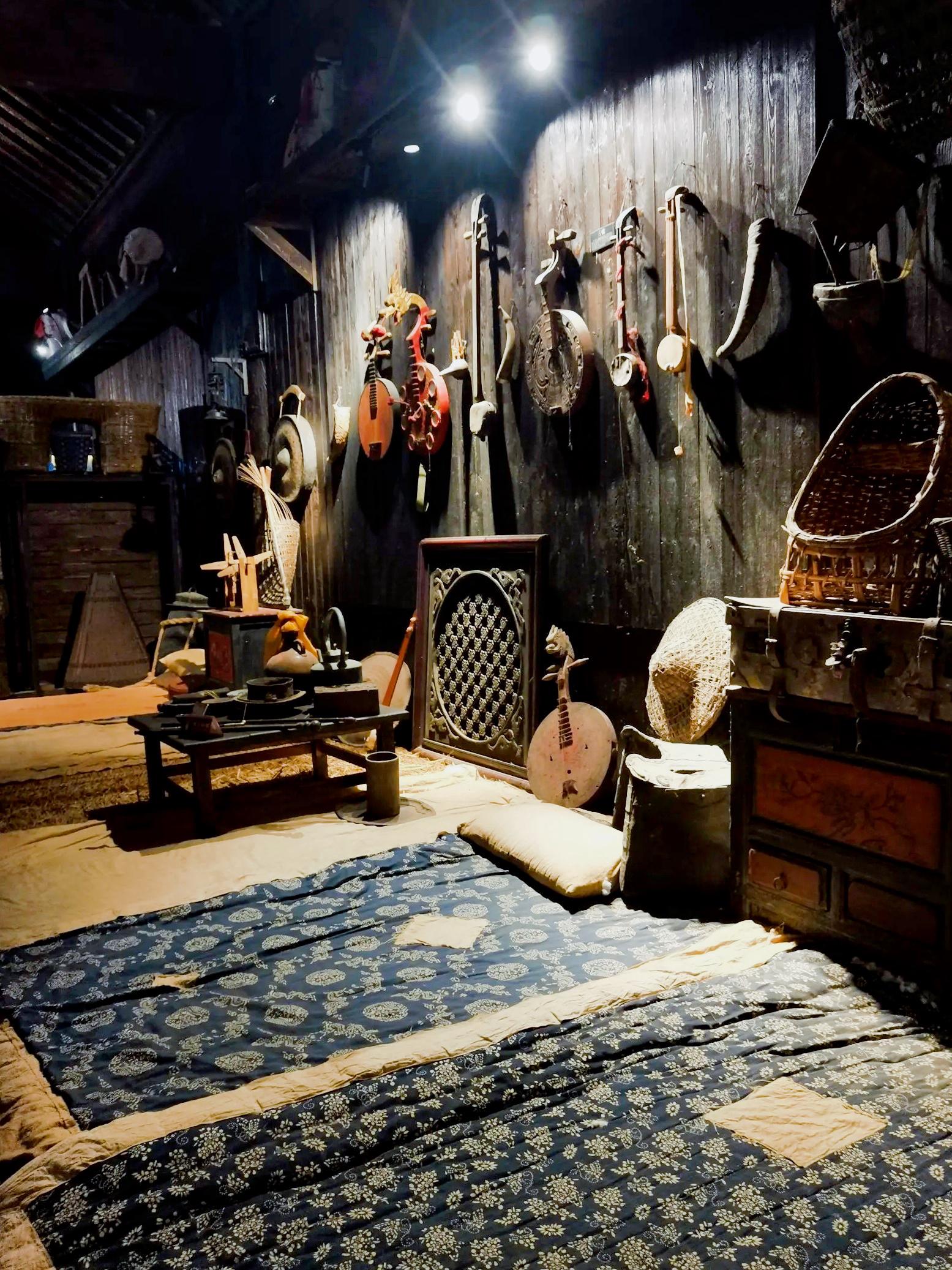
Tea Horse Road Museum (茶马古道博物馆)
China's first museum dedicated to the ancient Tea Horse Road trade route, housed in the historic Dajue Palace. Displays 800+ artifacts from the tea-fo...
 Culturally Interesting
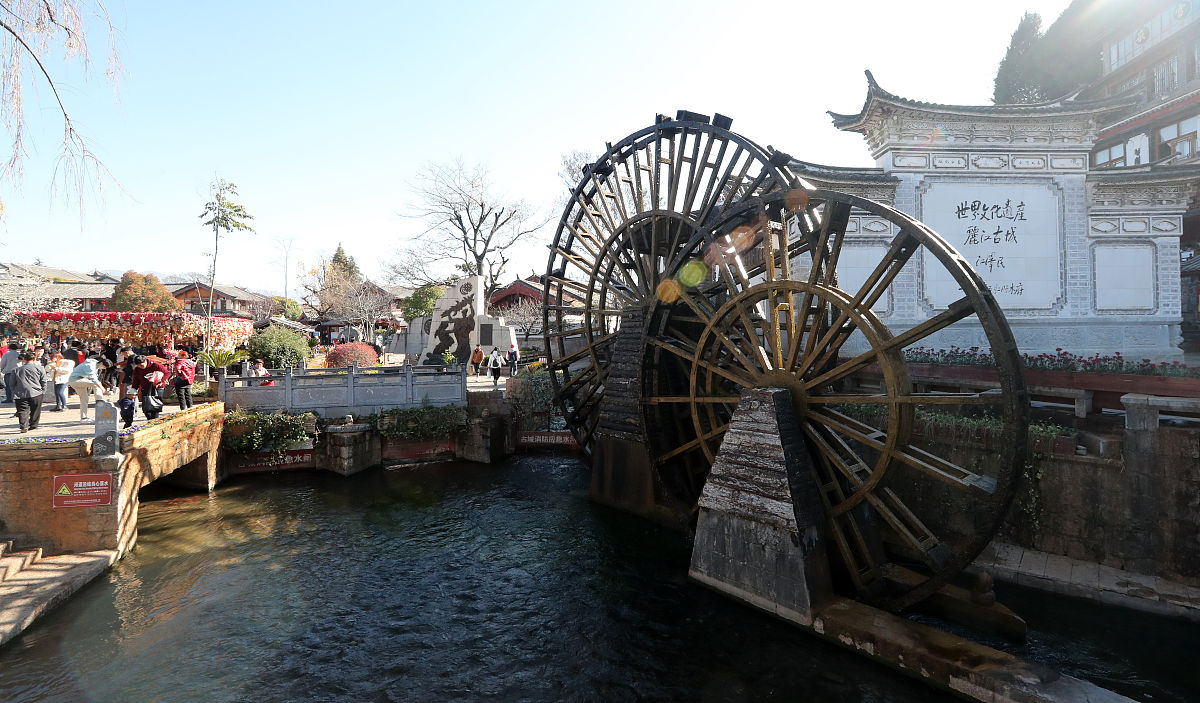
Qinglong Bridge (青龙桥)
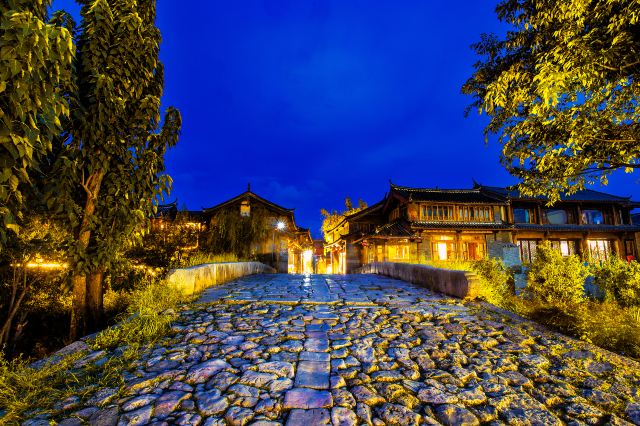
A 400-year-old stone bridge from the Ming Dynasty — the most iconic structure in Shuhe and a former essential crossing point on the Tea Horse Road. Th...
 Universal Appeal
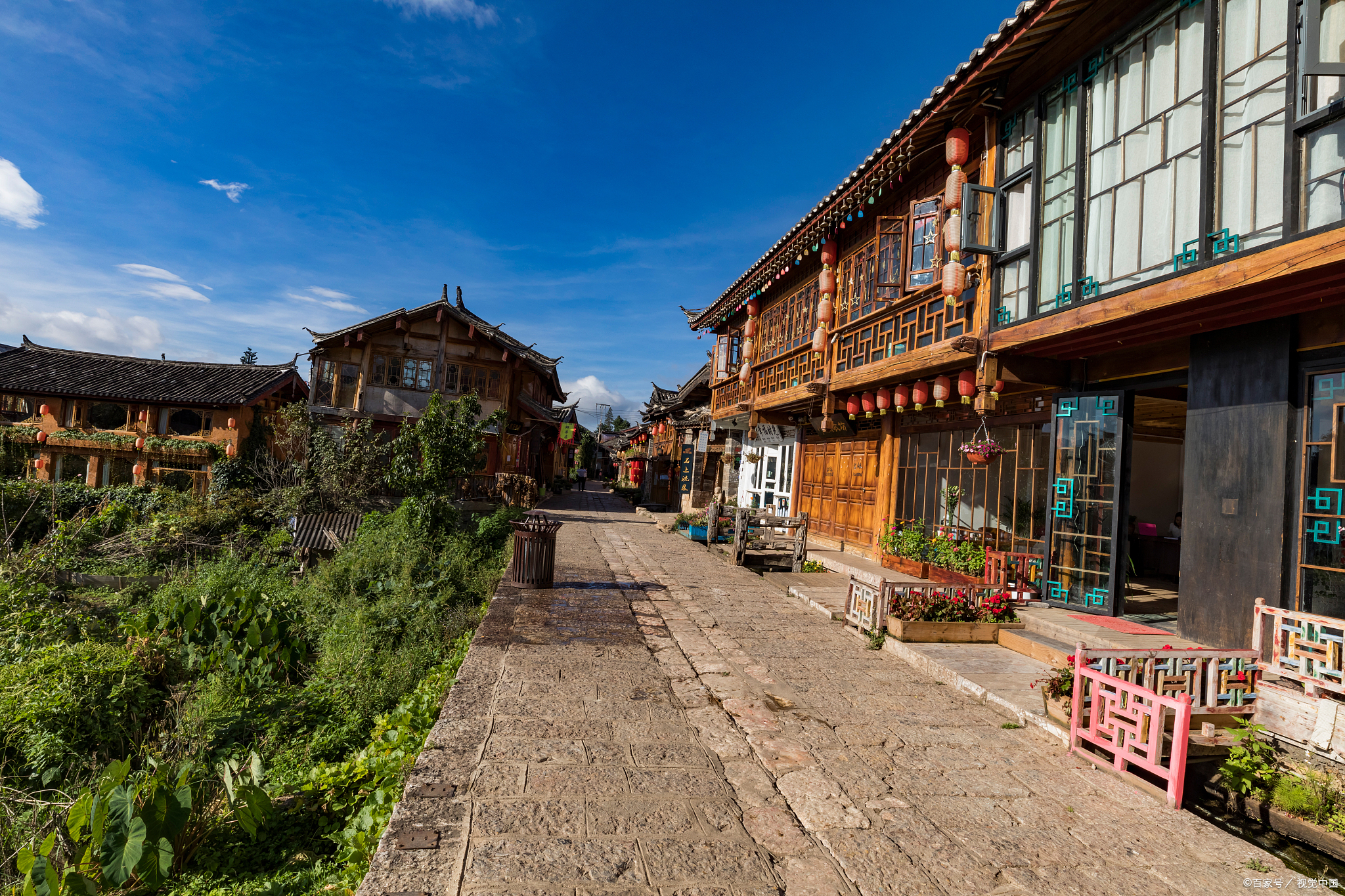
The Residential Back Streets
Away from the commercial center, the eastern and northern residential areas retain genuine Naxi village character — traditional courtyard houses with ...
What Most Visitors Miss
The canal water clarity
Shuhe's canals are fed by mountain springs and are remarkably clear — you can see green water plants waving in the current. Most visitors don't look down to notice this detail that makes Shuhe different from other ancient towns.
Sifang Street evening performances
The central square sometimes hosts traditional Naxi music and dance performances in the evening, including bonfire gatherings. Free to watch and a rare opportunity to see Naxi cultural traditions.
The leather craft heritage
Shuhe was historically known for its leather workers who supplied saddles and goods to Tea Horse Road traders. A few traditional leather shops still operate, making handcrafted goods.
Plan Your Visit
How Long to Visit
walk the main streets, visit the Tea Horse Road Museum, see Nine Dragon Pool
Half day (full exploration including back streets, tea houses, and a leisurely lunch by the canal
Overnight stay (experience the evening atmosphere after day-trippers leave, morning mist over the pools, and use Shuhe as a base for surrounding attractions
Smart Route
Enter from the main gate
walk through to Sifang Street to get oriented
head north to Nine Dragon Pool first (most peaceful in the morning)
visit Tea Horse Road Museum on the way back
cross Qinglong Bridge
explore the eastern residential back streets
return to the commercial center for lunch by the canal
wander the western side streets.
Best Time to Visit
Early morning (before 10 AM) when the light is soft, shops haven't opened, and the residential areas feel authentically lived-in
Peak holiday periods (National Day, Chinese New Year, summer weekends) when the town fills with tour groups
By Season
Spring
(March-May): flowers everywhere, clear skies, snow still visible on Jade Dragon Snow Mountain. Autumn (September-November): golden light, comfortable temperatures, clear mountain views.
Summer
Autumn
(September-November): golden light, comfortable temperatures, clear mountain views. Winter: quiet and cold but atmospheric, with possible snow.
Winter
: quiet and cold but atmospheric, with possible snow. Summer: lush and green but rainy.
Stay overnight in one of the canal-side guesthouses. After 6 PM, the town empties dramatically and transforms into a peaceful village. Dawn at Nine Dragon Pool with Jade Dragon Snow Mountain reflected in the spring water is unforgettable.
What to Skip
The generic souvenir shops selling identical 'ethnic' jewelry and scarves — same items at every Chinese ancient town. The costume rental shops are fine if you enjoy hanfu photography, but not unique to Shuhe. If you're looking for authentic Naxi handicrafts or the remaining traditional leather workshops, ask our concierge — we can point you to the real artisan shops that most tourists walk right past.
Pro Tips
Many visitors combine Shuhe with Lijiang Old Town in one day — consider doing Shuhe in the morning (calmer) and Lijiang in the afternoon/evening (livelier). From Shuhe, take bus #6 or #11 or a ¥15-40 taxi to Lijiang. For dining, the canal-side restaurants are overpriced — walk one street back for better value local Naxi food. If you want local Naxi restaurant recommendations that tourists rarely find, message our team — we can point you to places where the food is authentic and reasonably priced.
Photo Spots
Nine Dragon Pool at dawn
Arrive before 8 AM for mirror-still water reflecting Jade Dragon Snow Mountain. Wide-angle lens captures pool, trees, and mountain in one frame.
Qinglong Bridge over the canal
Late afternoon light on the worn stone surface with canal reflections below. Frame with overhanging willows.
Residential back streets with flowers and water channels
Look for doorways with potted flowers, laundry drying, and cats sleeping — the details of daily Naxi life make the most authentic photos.
Pair With
Lijiang Old Town (丽江古城)
15-20 minutes by taxi or bus
The larger, livelier counterpart — do Shuhe for morning tranquility and Lijiang for afternoon buzz and evening nightlife.
Baisha Ancient Town (白沙古镇)
10-15 minutes by taxi north of Shuhe
Even quieter and less commercialized than Shuhe — the most 'authentic' of Lijiang's three ancient towns, with famous Baisha murals.
Jade Dragon Snow Mountain (玉龙雪山)
30-40 minutes by car
The dramatic snow-capped mountain visible from Shuhe — a full-day excursion to the glacier at 4,680m.
Tickets & Access
Main gate entrance
Inconsistently enforced — many visitors enter free via side streets
Tea Horse Road Museum
Inside the town — no separate ticket needed
Opening Hours
Open 24 hours. Internal attractions (museums, temples) generally open 08:30-17:30.
How to Buy
No booking needed. If the main gate collects a fee, pay on the spot.
Passport: Yes for any ticket purchases.
Queue Situation
No queues to enter. The town rarely feels overcrowded compared to Lijiang.
Tips & Warnings
Increasing commercialization
The main streets are becoming more touristy each year. Seek out the back streets and residential areas for the authentic experience. Visit now before it fully becomes 'Lijiang 2.0.'
Altitude of 2,440 meters
Less extreme than Shangri-La but still high enough to cause mild altitude effects. Stay hydrated, avoid alcohol on your first day, and don't rush uphill.
Cobblestone streets are uneven and slippery when wet
Wear flat, grippy shoes. The polished cobblestones become very slick after rain. Heels are impractical.
What to Bring
Wear
Layers — mornings can be cool at 2,440m even in summer. Comfortable flat shoes for cobblestones. Sun protection (hat, sunglasses).
Bring
Camera. Sunscreen (essential at altitude). Water bottle. Cash for small vendors.
Don't Bring
Heels (cobblestones). Heavy luggage if day-tripping (leave at your hotel).
Physical Reality
easy
Flat terrain with cobblestone streets. No significant hills within the town itself. Total walking area is compact — maybe 2-3km for a full exploration. Some uneven surfaces on older stone paths.
Foreigners Watch Out
- The ¥30 entrance fee is confusingly enforced — some gates charge, some don't. Don't feel cheated if you paid when others didn't, or vice versa.
- The 'ancient Lijiang maintenance fee' (丽江古城维护费, ¥50) that used to apply to all Lijiang-area old towns has been largely abolished, but some tour guides may still try to charge it.
- Accommodation in Shuhe is significantly cheaper than Lijiang Old Town for similar quality. Canal-side guesthouses offer great atmosphere for ¥100-300/night. If you need help finding a good guesthouse in Shuhe, message our team — we can recommend places based on your budget and preferences, and book on your behalf in Chinese to get the best rate.
- The town is at 2,440m — UV is significantly stronger than at sea level. Sunscreen is essential even on overcast days.
If Things Go Wrong
Too similar to Lijiang Old Town to feel worthwhile
→ Head to the north end (Nine Dragon Pool area) and the eastern residential streets — these sections are distinctly different from Lijiang and much more peaceful.
Difficulty getting transport back to Lijiang in the evening
→ Didi works in Shuhe. Taxis are available near the main gate. Agree on the price before getting in (¥15-40 to Lijiang Old Town).
Useful Chinese
Tap to reveal the English meaning