

About Lijiang Old Town
“A living contradiction — ancient Naxi architecture meets Instagram-era tourism, with flower-draped alleys and thumping bar streets coexisting blocks apart, all under the gaze of Jade Dragon Snow Mountain.”
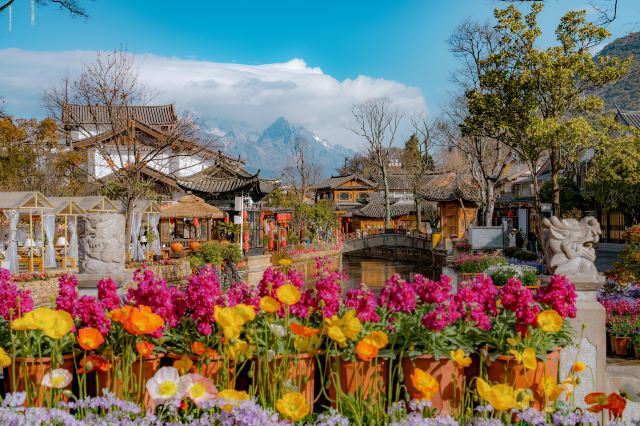
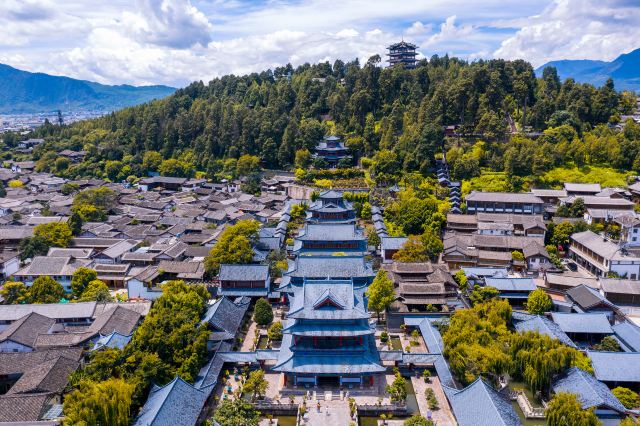
Lijiang Old Town is enormous, gorgeous, and heavily commercialized — all three things at once. The cobblestone streets, wooden Naxi architecture, flowing canals, and mountain backdrop are genuinely beautiful, especially in the early morning before the crowds arrive or at night when red lanterns and bar music transform the atmosphere. The reality is that most buildings have been rebuilt or renovated (particularly after the 1996 earthquake), and the vast majority of shops sell identical souvenirs, flower cakes, and silver jewelry. Scams exist — particularly at tea shops and bead/bracelet stalls that sell dyed wood at 10-20x the real price. Despite the commercialization, the sheer scale means you can always find quieter alleys, hidden courtyards, and rooftop cafes with snow-mountain views if you wander off the main streets. The nightlife is genuinely vibrant with live music bars along the river. Best for photographers, culture-curious travelers, and anyone who enjoys wandering atmospheric old towns; skip it if over-tourism and commercial ancient towns frustrate you.
Top Questions from Travelers
Why This Place Matters
Lijiang was the power base of the Mu clan, hereditary Naxi chieftains who ruled for over 500 years. The town's famous lack of city walls stems from a wordplay superstition: the Mu surname (木, meaning 'wood') enclosed in a wall (口) forms the character 困, meaning 'trapped' or 'confined.' The town sits at the crossroads of the ancient Tea Horse Road, which connected Yunnan's tea-producing regions with Tibet and Southeast Asia, making it a crucial multicultural trading hub. The Naxi people maintain a unique Dongba culture with the world's only still-used pictographic writing system — you'll see these enigmatic characters throughout the old town. The intricate water system channeling snowmelt from Jade Dragon Snow Mountain through every street is an engineering marvel that still functions after centuries, earning Lijiang the nickname 'Venice of the East.'
Need help planning?
ChinaPal handles everything
- Book English-speaking guides
- Arrange transport & tickets
- Real-time help during your visit
- Restaurant reservations nearby
Highlights
5 iconic experiences that define a visit
Mu's Mansion (木府)
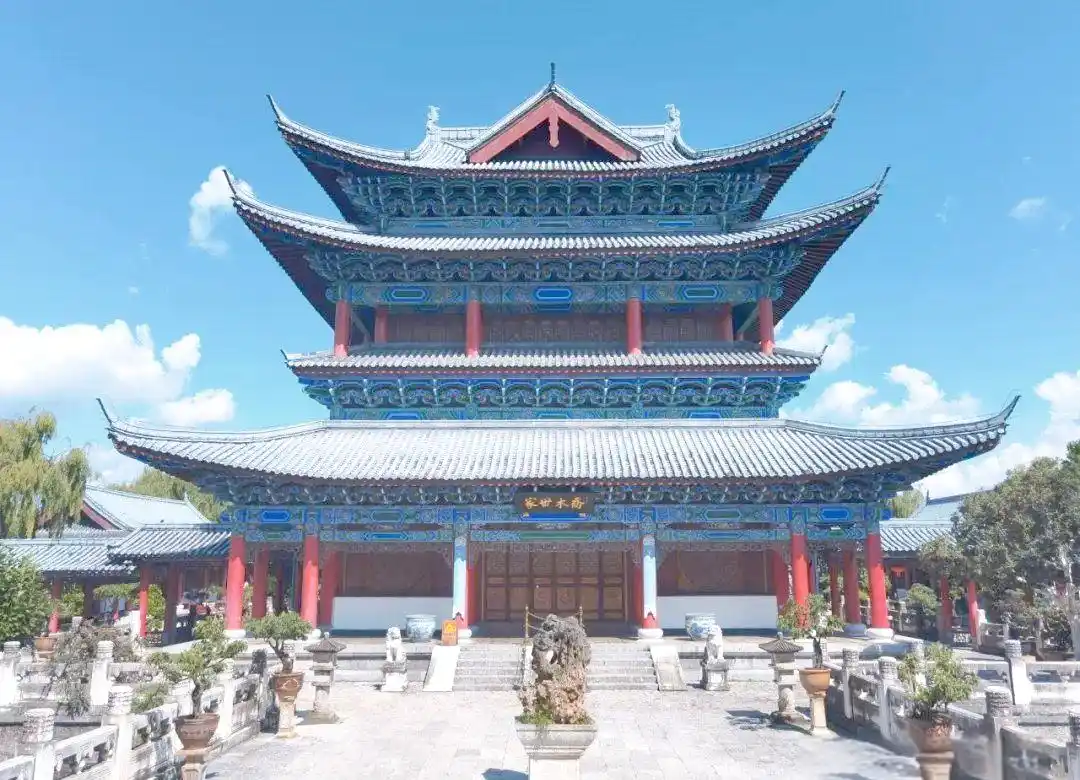
The restored palace complex of the Mu clan, hereditary Naxi rulers who governed Lijiang for over 500 years during the Ming and Qing dynasties. The compound covers 46 acres with 162 rooms, gardens, and a stunning hilltop viewpoint overlooking the old town.
Often compared to a miniature Forbidden City. The guided commentary (available inside) brings Naxi history alive and explains the unique blend of Naxi, Han, and Tibetan architectural styles.
 Universal Appeal
Lion Hill and Wangu Tower (狮子山/万古楼)
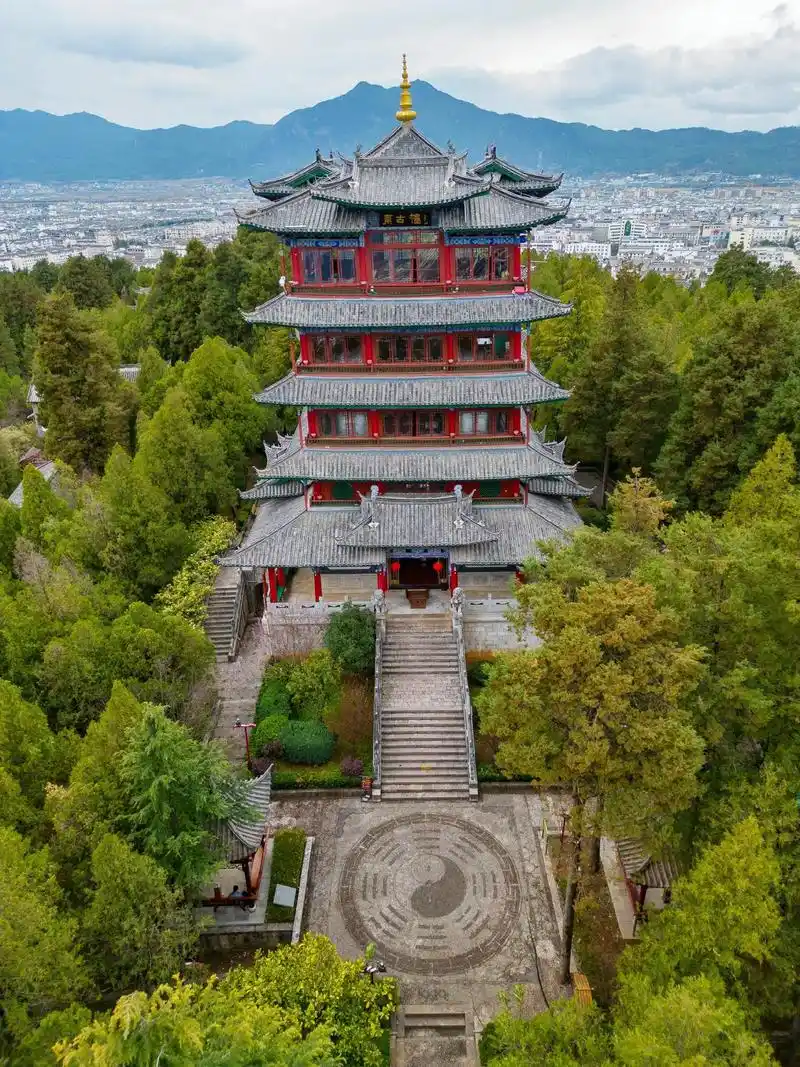
The highest point in the old town, topped by a 32.8-meter all-wood tower offering 360-degree views of the ancient rooftops and, on clear days, Jade Dr...
 Universal Appeal
Sifang Street and Water Wheels (四方街/大水车)
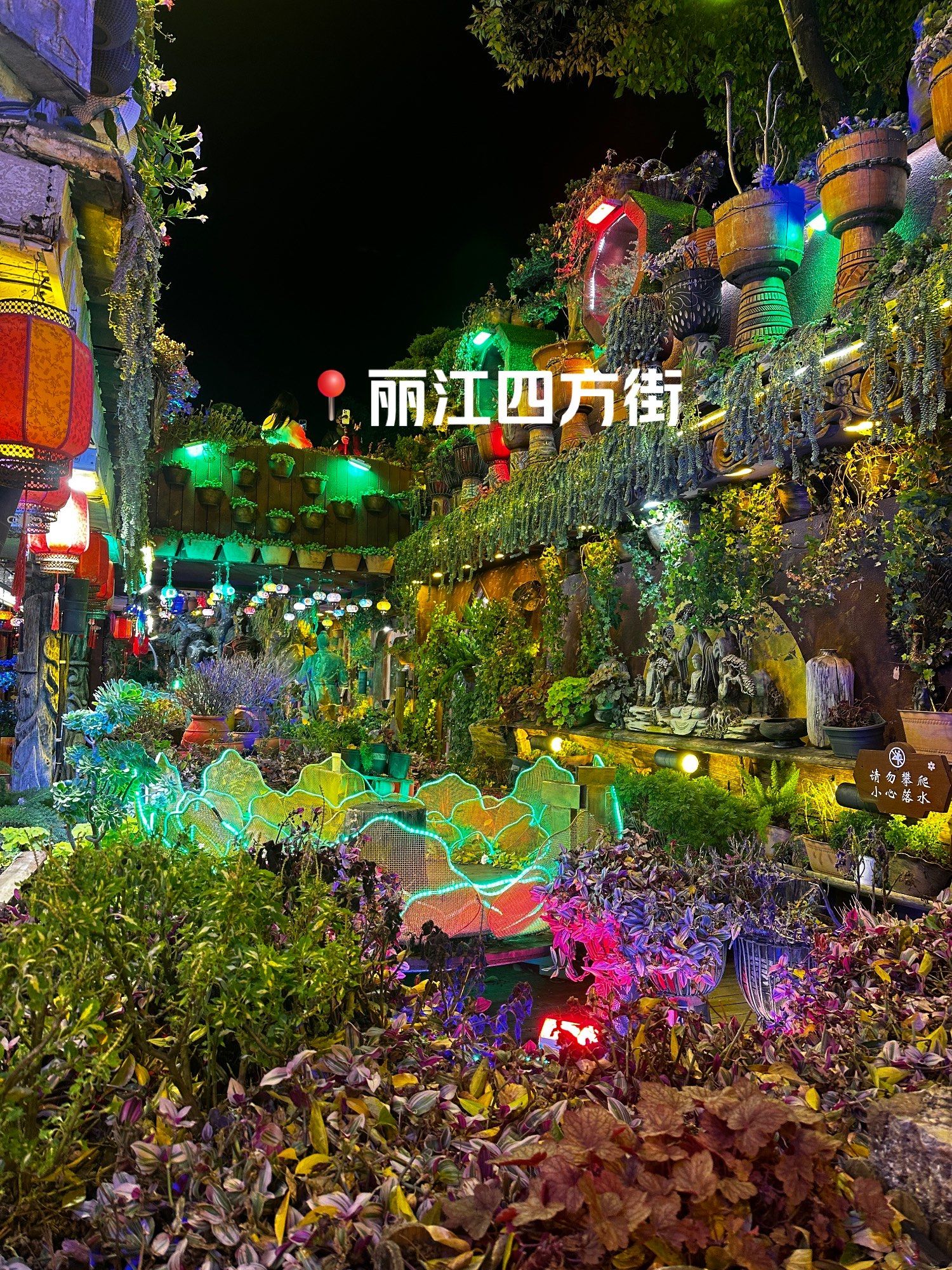
The ancient heart of the old town where the Tea Horse Road traders once gathered. The iconic giant water wheels at the north gate are the most photogr...
 Universal Appeal
Black Dragon Pool Park (黑龙潭)
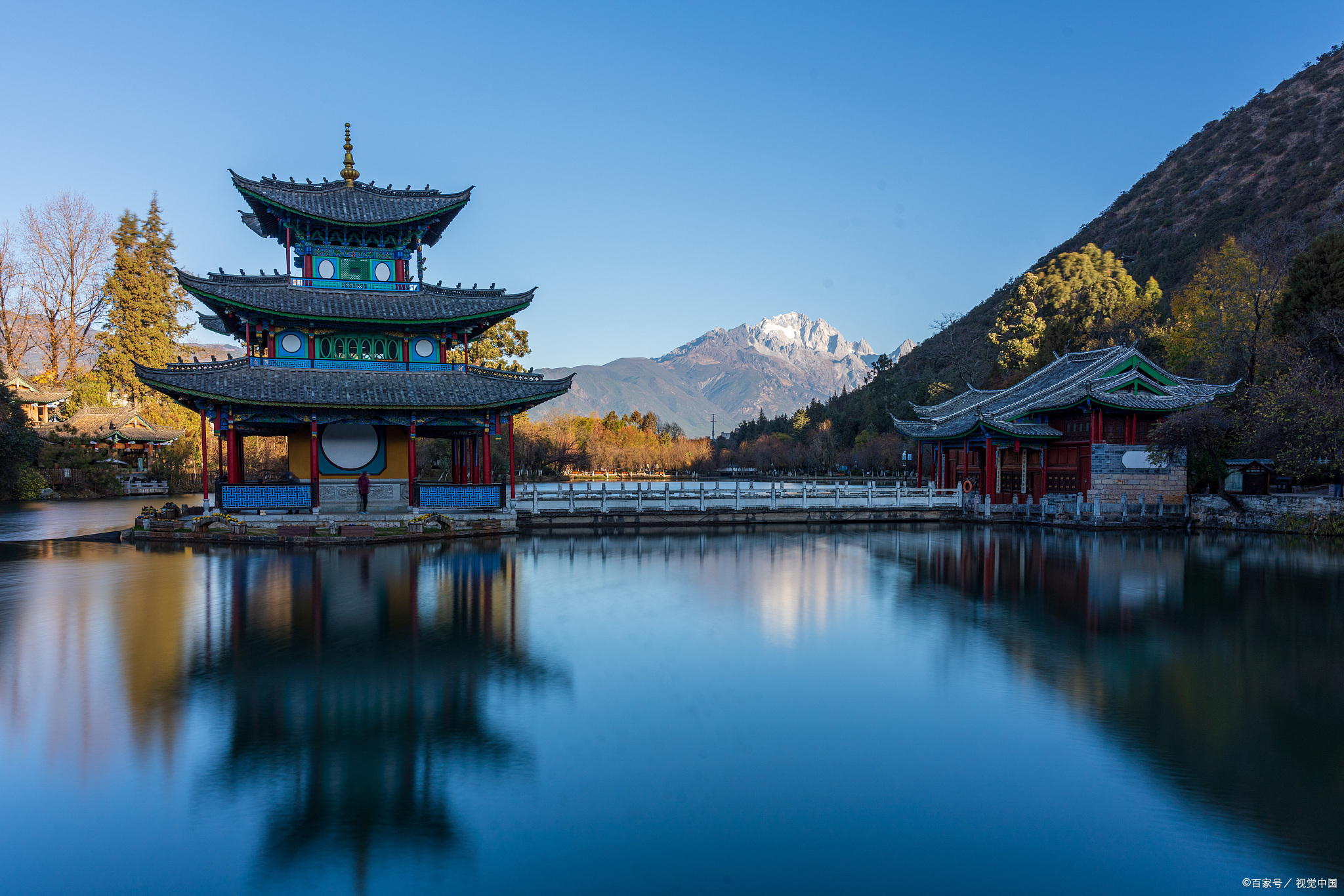
A park just north of the old town with a reflective pool that perfectly mirrors Jade Dragon Snow Mountain on clear mornings — one of the most iconic i...
 Culturally Interesting
Bar Street and Nightlife (酒吧街)
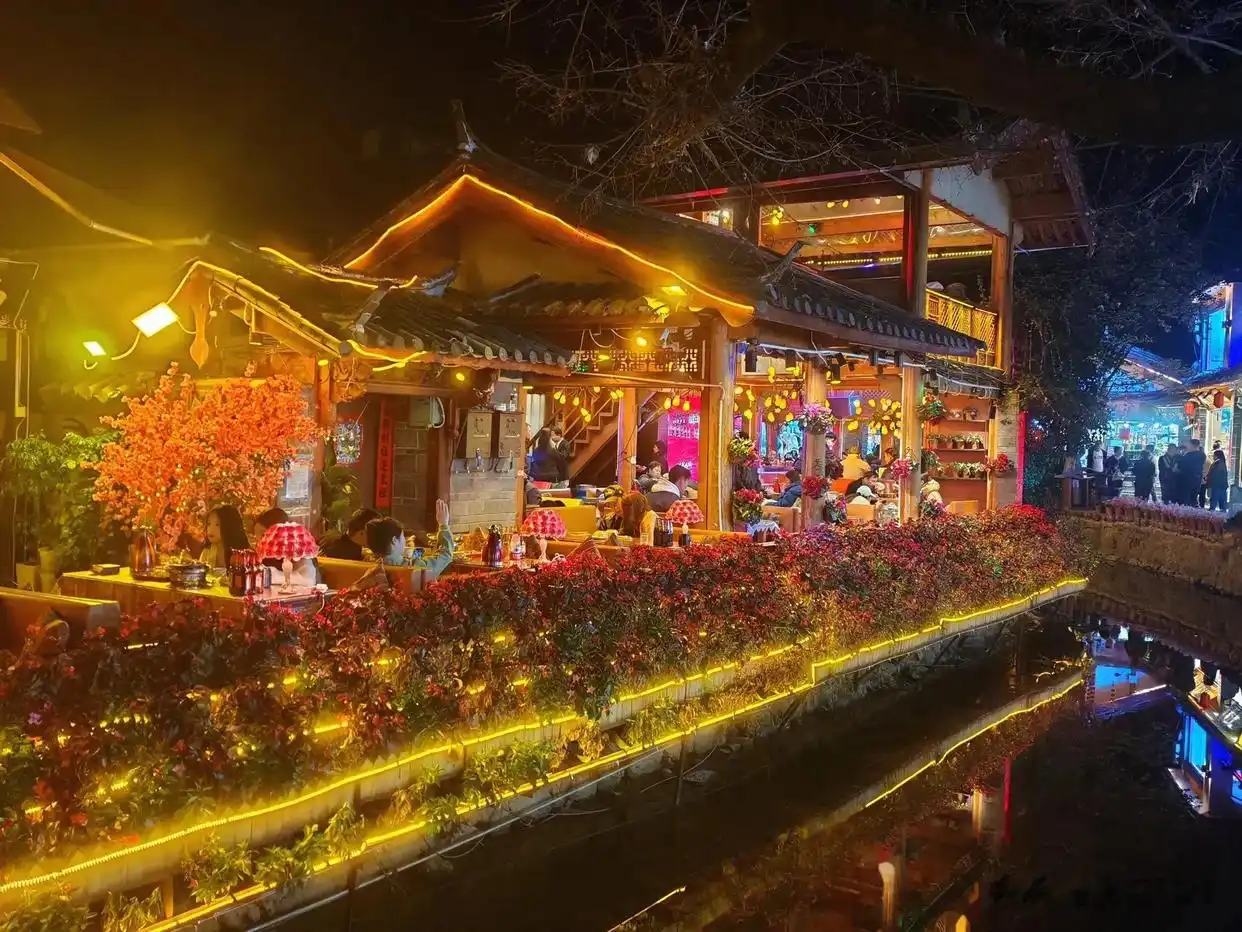
The stretch along the canal near Sifang Street transforms after dark into Lijiang's famous nightlife scene — dozens of bars with live bands, folk sing...
What Most Visitors Miss
The quiet southern alleys near Nan Men (South Gate)
Most tourists enter from the north gate and cluster around Sifang Street and the bar area. The southern end of the old town is significantly calmer, with more authentic local restaurants, fewer tourist shops, and the same beautiful architecture without the crowds.
Zhongyi Market (忠义市场)
A real local market where residents shop for produce, meat, and daily goods. The food stalls here serve authentic Yunnan dishes at a fraction of old-town tourist prices. It feels like actual Lijiang rather than the curated tourist version.
Shuhe and Baisha old towns (束河古镇/白沙古镇)
Part of the same UNESCO World Heritage designation but far less commercialized. Baisha has original 13th-century murals and genuine traditional life. Shuhe is a smaller, quieter version of Dayan with better cafes. Both are 15-20 minutes away by taxi.
Plan Your Visit
How Long to Visit
main streets, Sifang Square, water wheels, and a meal — you'll see the highlights but barely scratch the surface
s (explore the main streets, visit Mu's Mansion, climb Lion Hill for panoramic views, experience the nightlife, and wander the quieter southern alleys
s (explore every corner, day-trip to Shuhe and Baisha old towns, visit Black Dragon Pool at sunrise, and use Lijiang as a base for Jade Dragon Snow Mountain
Smart Route
Start early morning (before 8 AM) at the North Gate water wheels for uncrowded photos with the snow mountain backdrop. Walk to Black Dragon Pool for the iconic reflection shot. Return south through the quieter eastern alleys to Mu's Mansion (arrive by opening at 8:30). After Mu's Mansion, climb to the hilltop viewpoint or continue to Lion Hill cafes for the panoramic rooftop view over coffee. Descend through the western alleys to Sifang Street for lunch. Afternoon: explore the southern neighborhoods around Wuyi Street and Zhongyi Market. Evening: return to Sifang Street for the bonfire dance, then bar-hop along the river.
Best Time to Visit
Early morning between 6-9 AM is magical — almost no tourists, soft golden light, water trickling through canals, and the town feels authentically ancient
Chinese public holidays (National Day Oct 1-7, May Day, Chinese New Year) bring crushing crowds — shoulder-to-shoulder on main streets
By Season
Spring
(late March-May) is ideal: comfortable 15-25°C temperatures, blooming flowers decorating every alley, and manageable crowds. Autumn (mid-October-November) offers similar conditions with clearer skies for Jade Dragon Snow Mountain views.
Summer
Autumn
(mid-October-November) offers similar conditions with clearer skies for Jade Dragon Snow Mountain views. Winter (December-February) is cold (0-18°C with large day-night swings) but peaceful with far fewer tourists and stunning blue skies.
Winter
(December-February) is cold (0-18°C with large day-night swings) but peaceful with far fewer tourists and stunning blue skies. Summer brings rain and peak domestic tourism crowds.
Visit in early December on a weekday for the best balance of good weather, minimal crowds, and blue skies. Wake up before dawn to see the old town completely empty — it transforms into a different place. The bar street quiets down by 1-2 AM if noise is a concern when choosing accommodation.
What to Skip
The repetitive souvenir shops on the main streets (they all sell identical items — flower cakes, silver jewelry, drums, beads). Avoid the tea shops that aggressively invite you in and scoop large bags before telling you the price — these are known scam operations. The flower cake brand 'Chuyungu' appears on every street and is overpriced. Skip Wangu Tower if you're on a budget — the free hilltop cafes offer the same view.
Pro Tips
Stay inside the old town in a guesthouse for the full experience — the quiet morning streets and nighttime atmosphere are worth the trade-off of dragging luggage on cobblestones (have your host meet you at the nearest gate). Follow the streams uphill to find the quieter, more authentic corners. For the best flower cakes, buy from street vendors (¥1-3 each) rather than branded shops. If you buy a bracelet or souvenir and feel scammed, Lijiang old town has a 100% refund policy — exercise your right.
Photo Spots
Black Dragon Pool (黑龙潭) at sunrise
Arrive before 8 AM for free entry and still water. Best on windless, clear mornings for the perfect mirror reflection.
Rooftop cafes on Lion Hill
Go in late afternoon for golden light on the tile rooftops. Order a coffee and photograph from the terrace — no need to pay Wangu Tower admission.
Water wheels at North Gate with Jade Dragon Snow Mountain
Early morning (before 8 AM) is essential for clean shots. Clear winter days offer the best mountain visibility.
Lantern-lit canal streets at night
The side canals away from the main bar street offer more atmospheric shots with fewer people. Bring a phone with good night mode.
Pair With
Shuhe Old Town (束河古镇)
15-minute taxi ride or 30-minute bus
A smaller, quieter version of Lijiang's old town with better cafes, fewer crowds, and a more relaxed atmosphere. Part of the same UNESCO designation. Great for an afternoon escape from Dayan's intensity.
Jade Dragon Snow Mountain and Blue Moon Valley (玉龙雪山/蓝月谷)
40-minute drive to the mountain park entrance
The dramatic 5,596m snow-capped mountain visible from the old town is even more stunning up close. The Blue Moon Valley at its base has surreal turquoise lakes. A full-day trip and the top excursion from Lijiang.
Baisha Old Town (白沙古镇)
20-minute taxi ride north
The original Naxi settlement before Lijiang, with genuinely ancient murals from the 13th century and an untouched, non-commercial atmosphere that shows what the old towns looked like before mass tourism.
Tickets & Access
Ancient Town Maintenance Fee
Valid for 365 days — one payment covers unlimited entries for a year
Mu's Mansion (木府)
Includes guided commentary — the best cultural attraction inside the old town
Wangu Tower (万古楼)
Panoramic view of the entire old town and Jade Dragon Snow Mountain
Black Dragon Pool Park (黑龙潭)
Best spot for the iconic snow mountain reflection photo at sunrise
Opening Hours
Open 24 hours year-round. Individual attractions inside have their own hours: Mu's Mansion (木府) 8:30-17:30, Wangu Tower (万古楼) 7:00-20:00, Black Dragon Pool Park (黑龙潭) free entry before 8 AM.
How to Buy
Walk-in. The maintenance fee is collected at entrance checkpoints — pay with WeChat/Alipay or cash. For accommodation inside the old town, book through Trip.com, Booking.com, or Airbnb in advance as popular guesthouses fill up during peak season.
Passport: Yes — foreigners can enter with passport. The maintenance fee applies equally to all visitors.
Queue Situation
No queues for entering the old town itself. Mu's Mansion can have short waits during peak season. The main congestion is simply crowd density on popular streets during afternoons and evenings.
Tips & Warnings
Much of the 'ancient' town is reconstructed or renovated, not original
The 1996 earthquake destroyed significant portions, and ongoing commercial renovation has replaced much of the original fabric. Manage expectations — this is a beautifully maintained heritage town, not an untouched ruin. The architecture style is authentic even if the materials are new. For more original structures, visit Baisha old town.
Scams targeting tourists are common, particularly around silver, tea, and bead shops
Never buy 'authentic' silver or wood-bead bracelets without research — most are dyed cheap wood or low-quality alloys sold at 10-20x real value. Tea shop owners will scoop large bags and only reveal the high price at payment. If it feels pushy, walk away. Lijiang has a refund policy — use it if you feel deceived. If you do get caught in a dispute with a vendor and the language barrier makes it impossible to resolve, message our team — we can call the shop directly or help you reach the tourist complaint hotline.
Altitude (2,400m) can cause mild symptoms
You may feel slightly breathless walking uphill, especially if arriving from sea level. Take it slow on the first day, stay hydrated, and avoid alcohol on the first night. Most people adjust within hours. If planning to visit Jade Dragon Snow Mountain (4,680m), buy supplemental oxygen in the old town — it is cheaper here than at the mountain.
Cobblestone streets are uneven and slippery when wet
Wear shoes with good grip — heels and smooth-soled shoes are a recipe for falls. Rolling luggage is miserable on these streets; use a backpack or arrange for your guesthouse to carry your bags from the nearest gate.
Very little English is spoken anywhere
Download a translation app with offline Chinese before arriving. Few shop owners, restaurant staff, or even guesthouse hosts speak English. WeChat translation or Google Translate camera mode for menus is essential. Payment is almost exclusively WeChat/Alipay — cash is sometimes refused.
What to Bring
Wear
Comfortable walking shoes with good grip — this is non-negotiable on the uneven cobblestone streets. Layers are essential due to large day-night temperature swings (up to 15°C difference). Sunscreen and a hat for daytime (intense UV at altitude). A light jacket or sweater for evenings year-round, warm coat in winter.
Bring
Translation app with offline Chinese. Portable charger. Sunscreen (SPF 50+). Lip balm and moisturizer (the air is very dry). Cash as backup. Comfortable backpack instead of rolling luggage. Altitude sickness medication if sensitive.
Don't Bring
Rolling suitcases (cobblestone nightmare). High heels or smooth-soled shoes. Excess expectations of 'untouched ancient China' — embrace it for what it is.
Physical Reality
moderate
Mostly walking on uneven cobblestone streets with gradual inclines throughout — the old town is built on a hillside sloping from west (Lion Hill) to east. Climbing to Lion Hill or Wangu Tower involves steeper sections. Expect 10,000-20,000 steps per day for thorough exploration. The terrain is challenging for wheelchairs and strollers due to cobblestones, steps, and narrow alleys.
Foreigners Watch Out
- Payment is overwhelmingly WeChat/Alipay — many vendors do not accept cash and almost none accept foreign credit cards. Set up WeChat Pay or Alipay before arriving if possible, or carry cash and be prepared for some vendors to refuse it. If you're struggling with mobile payment setup, our concierge team can walk you through the process step by step over chat, or help you find the few vendors near you that still take cash.
- The 'Ancient Town Maintenance Fee' (¥50) enforcement is inconsistent and some foreigners report feeling unfairly targeted for collection while Chinese tourists walk past unchecked. If you enter after 6-7 PM or through smaller side entrances, you may avoid it entirely.
- Google Maps is essentially non-functional for navigation inside the old town — it shows perhaps 5% of streets. Download Baidu Maps before arriving (Chinese-only interface but accurate mapping).
- Very few people speak English — even basic interactions require a translation app or some Chinese. Learn '多少钱' (duōshao qián — how much?) and '太贵了' (tài guì le — too expensive) before shopping.
- The nightlife bar culture can be overwhelming — bars employ aggressive touts who physically pull you toward their doors, and the music volume is extremely loud. If you prefer quiet evenings, stay in the southern part of the old town away from the bar street.
If Things Go Wrong
Completely lost in the maze of alleys
→ Follow any stream or canal downhill — water flows toward the exits. Alternatively, head uphill (west) and you'll eventually reach Lion Hill, from where you can orient yourself. Baidu Maps or Gaode Maps with GPS can help, though signal can be spotty in narrow alleys.
Scammed on a purchase (overpriced tea, fake silver, dyed-wood bracelet)
→ Return to the shop immediately with your receipt and demand a refund. Lijiang old town has a consumer protection policy supporting 100% refunds for tourist purchases. If the shop refuses, note the shop name and location.
Altitude sickness symptoms (headache, nausea, breathlessness)
→ Rest at your guesthouse, drink plenty of water, and avoid exertion. Pharmacies inside the old town sell altitude sickness medication ('高原安' gāoyuán'ān) and portable oxygen cans. Symptoms usually resolve within a few hours at Lijiang's moderate altitude.
Useful Chinese
Tap to reveal the English meaning