About Western Hills (Xishan)
“Sacred mountain with a wild edge — ancient Taoist hermits chose this cliff face for a reason, and as you walk through hand-carved tunnels emerging onto dizzying viewpoints above Dianchi Lake, their otherworldly perspective starts making sense.”
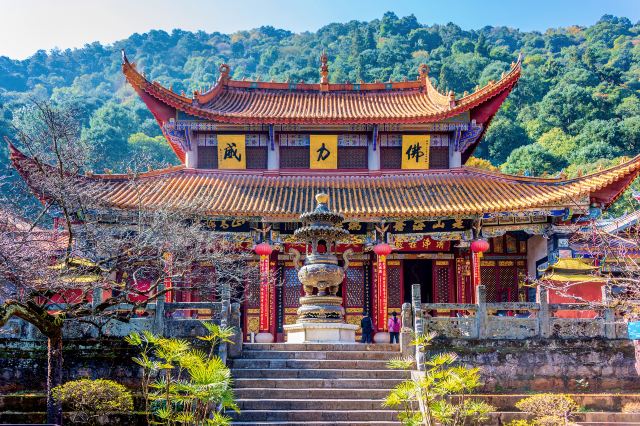
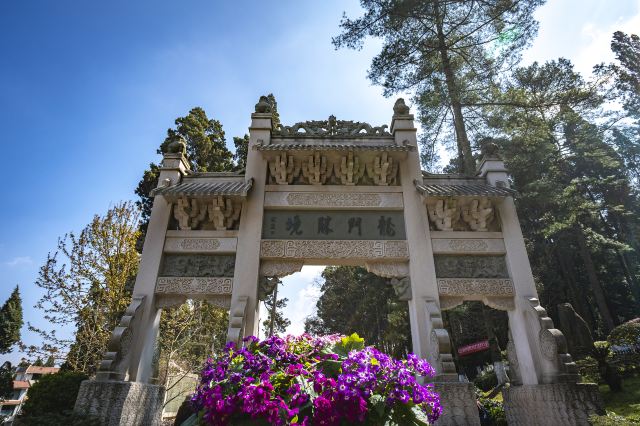
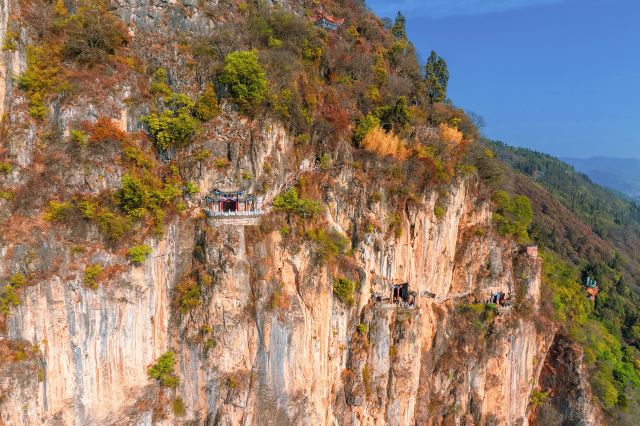
Western Hills (Xishan) is a mountainous forest park perched on the western shore of Dianchi Lake, about 15 kilometers from downtown Kunming. Known locally as 'Sleeping Beauty Mountain' because its ridgeline resembles a reclining woman, the park rises to 2,507 meters and contains a rich mix of natural scenery and cultural heritage. The star attraction is Dragon Gate (Longmen), an extraordinary series of Taoist grottoes, tunnels, and shrines carved directly into the sheer cliff face over 72 years by Qing Dynasty artisans using only hand tools. Walking through these narrow stone passages along the cliff edge, with Dianchi Lake spreading out 500 meters below, is genuinely breathtaking and slightly terrifying. Beyond Dragon Gate, the mountain holds Huating Temple (a major Buddhist monastery dating to the Yuan Dynasty), Taihua Temple, Sanqing Pavilion, and the tomb of Nie Er (composer of China's national anthem). The climb from the base to Dragon Gate takes about 2 hours on foot, but most visitors take the shuttle bus or cable car up and walk down. The air is fresh, the forest is lush year-round thanks to Kunming's mild climate, and on clear days the views across the 'Five Hundred Li of Dianchi Lake' are spectacular. The park is genuinely rewarding — the combination of cliff-hugging stone paths, ancient religious sites, and sweeping lake panoramas is unlike anything else in Yunnan. Some steep, narrow sections near Dragon Gate can be challenging for those with vertigo or mobility issues.
Top Questions from Travelers
Why This Place Matters
Western Hills has been considered sacred since at least the Yuan Dynasty (13th century), drawing both Buddhist monks and Taoist hermits to its forested slopes and dramatic cliffs. The Dragon Gate grottoes represent an extraordinary act of devotion — Taoist monk Wu Laiqing and his successors spent 72 years (1781-1853) hand-carving an entire temple complex into the sheer cliff face, working from ropes suspended over the abyss. When a carver made a mistake on a dragon sculpture's head, legend says he was so distraught that he threw himself off the cliff. The mountain also carries modern patriotic significance: Nie Er, composer of China's national anthem 'March of the Volunteers,' is buried here, and his tomb has become a pilgrimage site. The mountain's nickname 'Sleeping Beauty' (the ridgeline resembles a reclining woman) connects to local Bai minority legends of a princess who turned to stone while waiting for her lover — a reminder that this mountain has inspired stories across cultures and centuries.
Need help planning?
ChinaPal handles everything
- Book English-speaking guides
- Arrange transport & tickets
- Real-time help during your visit
- Restaurant reservations nearby
Highlights
4 iconic experiences that define a visit
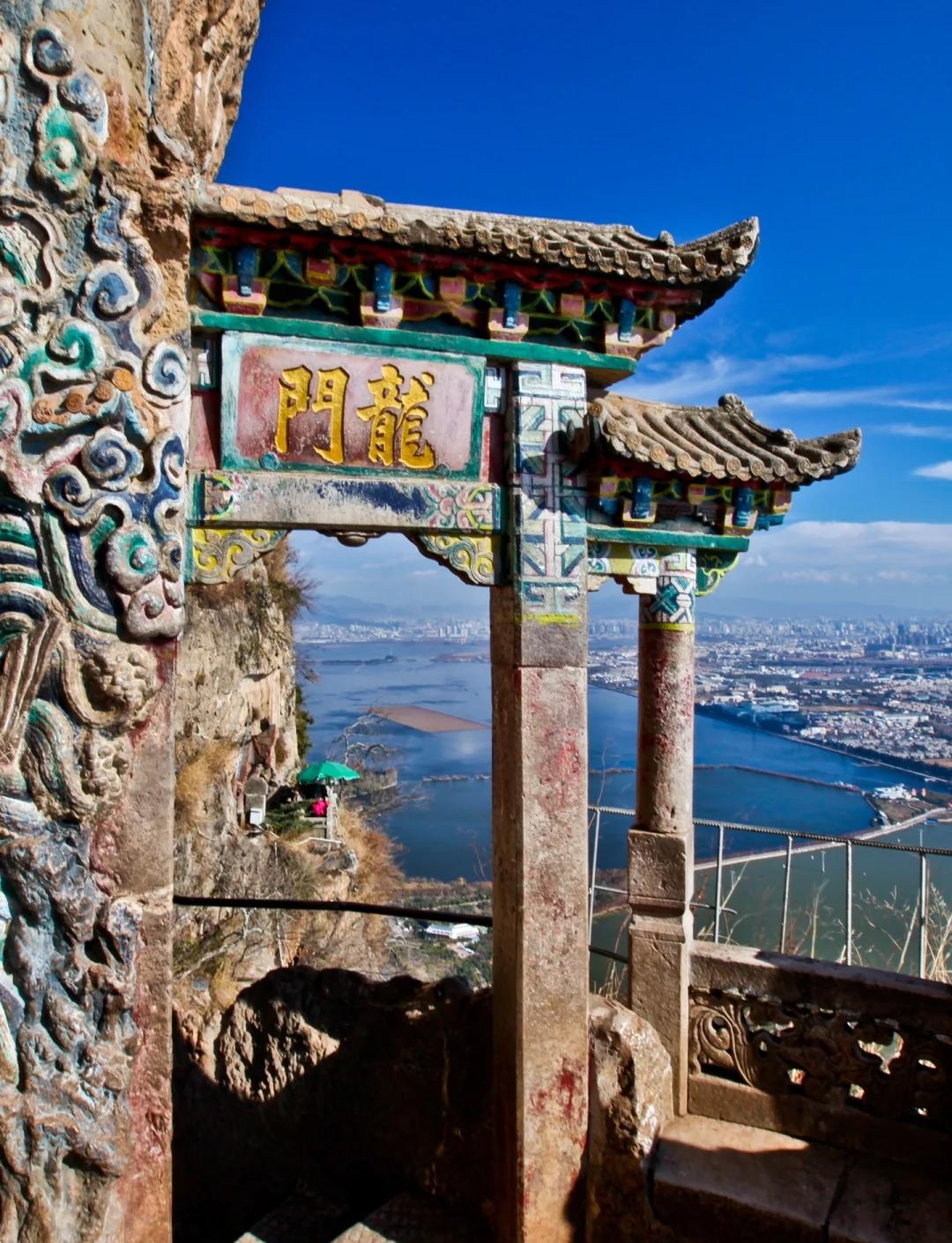
Dragon Gate Grottoes (龙门石窟)
The crown jewel of Western Hills — a series of Taoist shrines, tunnels, and statues carved directly into a sheer cliff face over 72 years (1781-1853) by Qing Dynasty artisans using only hammers and chisels. The narrow stone walkway follows the cliff edge with 22 carved deities, 28 mythical creatures, and heart-stopping views straight down to Dianchi Lake.
The sheer audacity of the craftsmanship — hand-carving an entire temple complex into a vertical cliff face over seven decades — transcends cultural context. The views alone justify the visit, and the vertigo-inducing walkway is unforgettable.
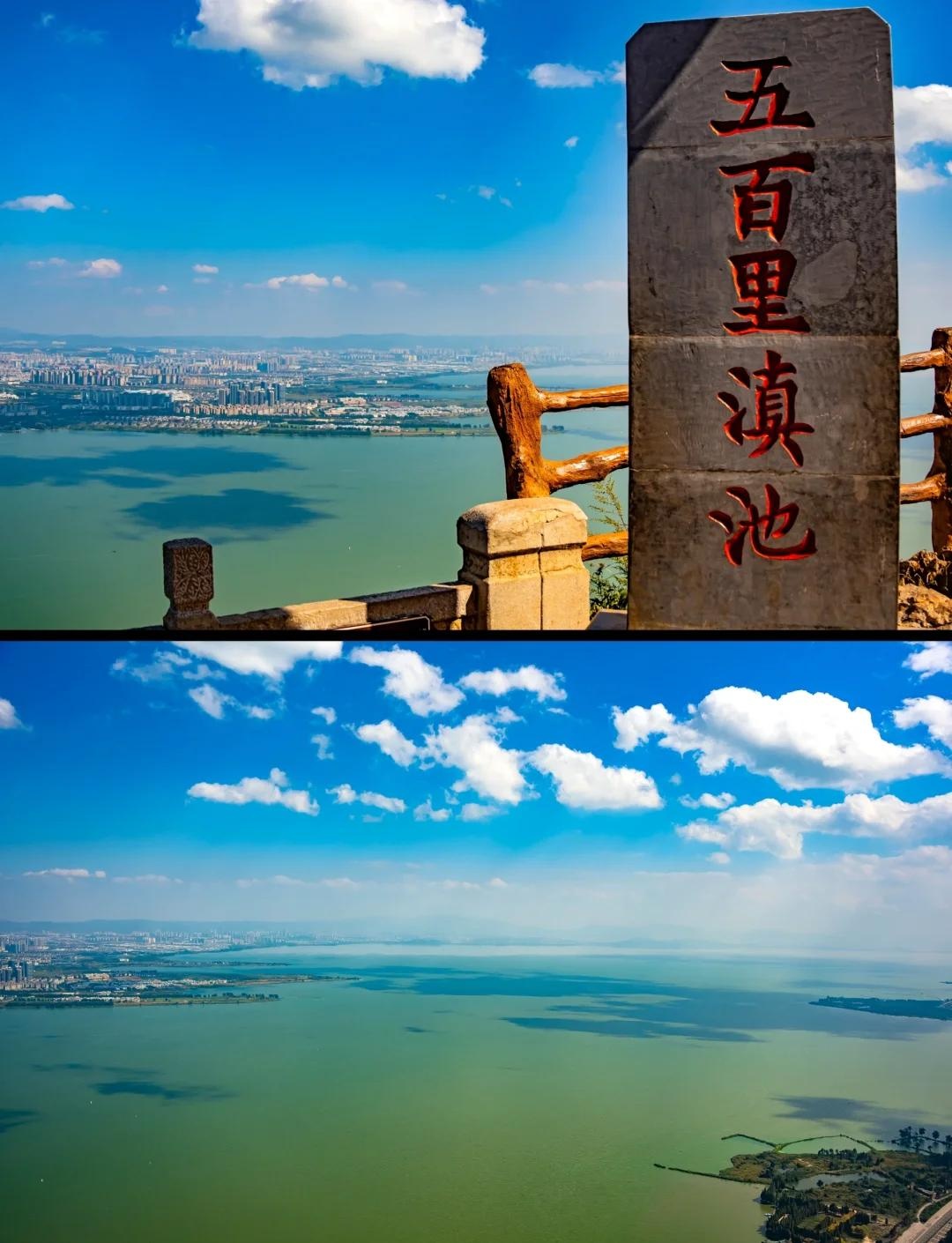 Universal Appeal
Panoramic views of Dianchi Lake
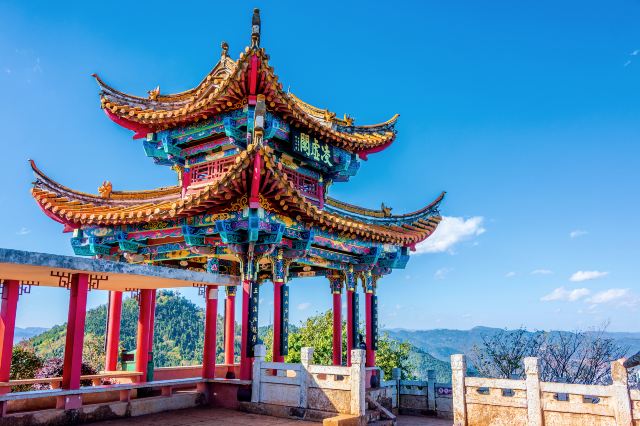
From Dragon Gate's observation platform (Datian Pavilion) at over 2,300 meters elevation, the vast expanse of Dianchi Lake — one of China's six larges...
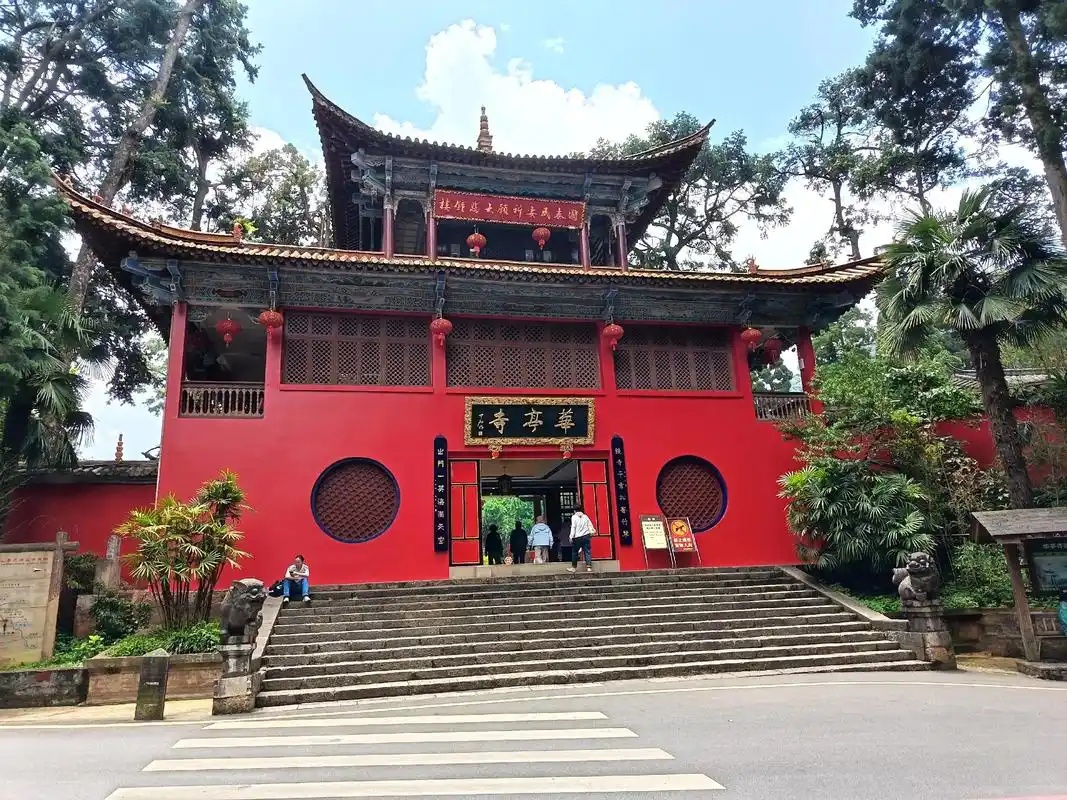 Culturally Interesting
Huating Temple (华亭寺)
A major Buddhist monastery established in the Yuan Dynasty (14th century), set at 2,050 meters amid ancient trees. The temple complex features impress...
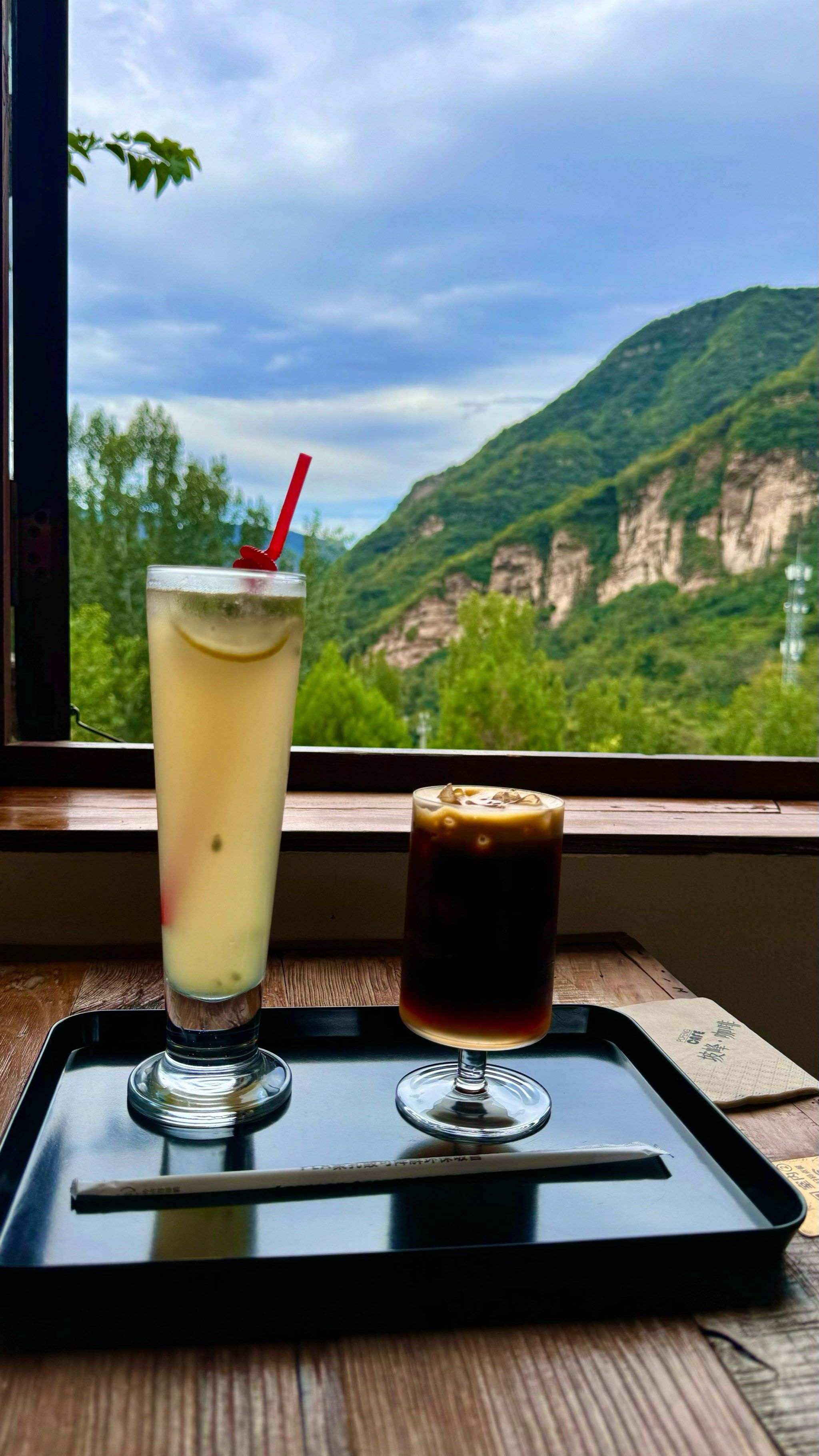 Universal Appeal
Mountain summit coffee terrace
Near the mountain top, the BeanGreat (北归咖仓) cafe has become a popular destination with a spectacular open-air terrace overlooking Dianchi Lake and the...
What Most Visitors Miss
Taihua Temple and the 'Ancient Taihua Road' connecting the temples
The stone-paved path between Taihua Temple and Huating Temple is one of the most peaceful walks on the mountain — flat, shaded by ancient trees, and free of crowds. Most visitors skip it by taking the shuttle bus, missing the best forest atmosphere.
Nie Er's tomb (聂耳墓)
The composer of China's national anthem is buried on this mountain, with a small museum playing his music through headphones. It's a quiet, contemplative stop on the walk down that most tourists rush past — but stopping here with the music playing adds an emotional dimension to the visit.
The cable car views of red-billed gulls (winter)
During winter months (November-March), thousands of Siberian red-billed gulls visit Dianchi Lake. The cable car ride offers a bird's-eye view of the flocks below — a special bonus that's not advertised on the cable car ticket.
Plan Your Visit
How Long to Visit
shuttle bus up, Dragon Gate grottoes, cable car down
shuttle up, Dragon Gate, walk down through temples, explore Huating Temple
Full day (hike up from the base, explore all temples, Dragon Gate, take cable car across to Dianchi Lake area
Smart Route
Take Metro Line 3 to Western Hills Station
Catch the shuttle bus from the Gaoyao Visitor Center to Dragon Gate entrance
Walk through the Dragon Gate grottoes (allow 45-60 minutes)
Take the Longmen cable car down to Taihua Temple area
Walk downhill through the forest past Nie Er's tomb
Visit Taihua Temple
Continue the ancient Taihua Road to Huating Temple
Exit at the main gate below.
Best Time to Visit
Morning arrival (8:30-9:00 AM) is ideal — clearer skies for lake views, fewer crowds at Dragon Gate's narrow passages, and cooler temperatures for walking
Weekend afternoons when domestic tour groups crowd the narrow Dragon Gate passages, creating bottlenecks
By Season
Spring
City' climate keeps temperatures mild year-round, but spring (March-May) brings the best visibility and blooming flowers. Winter (November-February) is drier with occasional cold snaps but still pleasant, and you can see red-billed gulls on the cable car ride.
Summer
Autumn
Winter
(November-February) is drier with occasional cold snaps but still pleasant, and you can see red-billed gulls on the cable car ride. Plum blossoms bloom in January-February.
Visit on a weekday morning in April or October for the perfect combination of clear skies, comfortable temperatures, and manageable crowds. Take the shuttle up, spend time at Dragon Gate, then leisurely walk down through the temples — the downhill forest walk is therapeutic.
What to Skip
The electric cart inside the park — it only covers a short section and the walking paths are the best part of the experience. Skip the souvenir stalls near Dragon Gate entrance — same items available cheaper in Kunming. Don't bother driving — parking is difficult and the entry/exit road is confusing.
Pro Tips
Enter from the south/top via shuttle bus and walk downhill — this is the smartest strategy as it saves energy and allows gravity to do the work. Buy the combo ticket at the visitor center (not individual tickets at each point). Bring a jacket even on warm days — the mountain is noticeably cooler than Kunming city. The local saying 'enter from the back, it's all downhill' is genuinely good advice.
Photo Spots
Dragon Gate observation platform (Datian Pavilion)
Arrive early morning for clearest views. Shoot through the carved stone window frames for a natural framing effect with Dianchi Lake below.
The cliff-side walkway approaching Dragon Gate
Photograph looking back along the narrow stone path with the cliff face above and the lake far below. Morning light illuminates the path best.
BeanGreat cafe terrace
The panoramic terrace with coffee makes for excellent lifestyle photography. Blue skies, lake views, and a relaxed mountain atmosphere.
Cable car over Dianchi Lake
In winter, photograph the flocks of red-billed gulls from the cable car. In any season, the aerial perspective of the mountain dropping into the lake is dramatic.
Pair With
Dianchi Lake (滇池)
20-minute bus or taxi ride along the lakeshore
You've been admiring it from above all morning — now go see it up close. Haigeng Dam and Haigeng Park on the lake's northern shore offer waterfront walks and, in winter, thousands of red-billed gulls.
Yunnan Ethnic Village (云南民族村)
15-minute drive along the lake
A cultural theme park showcasing the traditions, architecture, and costumes of Yunnan's 25+ ethnic minorities — a lighter, more playful complement to the mountain's spiritual weight.
Green Lake Park (翠湖公园)
30-40 minutes by metro (Line 3) or taxi
Return to Kunming's city center for a completely different park experience — flat lakeside strolling, people-watching, and red-billed gulls in winter. Perfect for recovering tired legs.
Tickets & Access
Dragon Gate Grottoes entrance
The main attraction — cliff-carved grottoes and viewpoints
Shuttle bus (one-way)
Saves 1+ hour of uphill climbing
Dragon Gate cable car (one-way)
Scenic ride with lake views; connects to mid-mountain
Combo ticket (bus + Dragon Gate + cable car)
Best value — covers transport and main attraction
Opening Hours
Weekdays: 8:30 AM - 5:00 PM. Weekends: 8:30 AM - 5:30 PM (summer: 7:00 AM - 6:00 PM). Dragon Gate area may close 30 minutes before the park.
How to Buy
Walk-up ticket windows at the visitor center (Gaoyao entrance). Also available via Trip.com, Meituan, or Alipay mini-programs.
Passport: Yes — passport accepted at ticket windows. Free entry for seniors 70+ and children under 1.2m.
Queue Situation
Minimal queues on weekdays. Dragon Gate's narrow passages can create natural bottlenecks on weekends — expect slow-moving lines through the cliff tunnels during peak times. The cable car rarely has long waits.
Tips & Warnings
Dragon Gate passages are very narrow and steep
Some sections of the cliff-side walkway are barely wide enough for one person, with steep drop-offs. People with severe vertigo or claustrophobia should consider carefully. The stone steps can be slippery after rain. Handrails are present but the experience is genuinely exposed.
Self-driving access is confusing
Multiple visitors report getting lost trying to exit by car — exit signage is poor and some roads lead to dead-ends or unpaved tracks. If driving, park at the Gaoyao Visitor Center and use the shuttle bus. Better yet, use Metro Line 3 and public transport. If you'd rather not deal with transport logistics, our team can pre-book a car to drop you at the visitor center and pick you up at the bottom when you're done.
The mountain is larger than expected
Walking from the base to Dragon Gate takes about 2 hours uphill. Don't underestimate the distance or altitude (you're climbing from 1,900m to 2,350m+). Take the shuttle bus up and save your energy for the downhill exploration.
Limited food options on the mountain
Aside from the hilltop cafe and temple vegetarian restaurants, food options are scarce. Bring snacks and water. The fried food stalls near the summit are okay for quick energy but not a real meal.
What to Bring
Wear
Comfortable hiking shoes with good grip — essential for the stone cliff paths at Dragon Gate. Layers — the mountain is 5-10°C cooler than Kunming city. Even in summer, bring a light jacket. Long pants recommended for the narrow stone passages.
Bring
Water (at least 1 liter). Snacks for energy. Camera with good zoom for lake panoramas. Light rain jacket (mountain weather changes quickly). Sunscreen on clear days. Translation app on your phone.
Don't Bring
Large backpacks (the cliff passages are very narrow). Flip-flops or heels (dangerous on stone steps). Heavy gear you don't need — you'll be walking for hours.
Physical Reality
moderate-strenuous
Dragon Gate involves hundreds of steep stone steps carved into cliff faces, narrow passages with low ceilings, and exposed walkways with drop-offs. The full mountain exploration from top to bottom covers 5-6 km with significant elevation change. The shuttle bus and cable car reduce the physical demands considerably. Some sections have handrails but are still challenging for anyone with mobility limitations.
Foreigners Watch Out
- Virtually no English signage throughout the park. The Dragon Gate carvings have minimal English labels. Download a translation app or bring a Chinese-speaking companion for cultural context.
- The cliff-side passages at Dragon Gate are one-directional but can still feel crowded and chaotic during peak times. Stay patient and move with the flow — trying to go against traffic in the narrow tunnels is impossible.
- The cable car has separate tickets from the park entrance — make sure your combo ticket includes it if you plan to ride. Some combo packages only include one-way cable car.
- Altitude is around 2,300 meters at Dragon Gate. If you've just arrived in Kunming from sea level, you may feel slightly winded on the climbs. Take it slowly.
- The shuttle bus and cable car stop running 30-60 minutes before the park closes. If you walk down and miss the last transport, you'll need to walk the remaining distance to the metro station (about 1.5 km).
If Things Go Wrong
Weather turned bad and Dragon Gate is socked in with fog or rain
→ The cliff paths become slippery and views disappear in fog. If light rain, proceed carefully — the grottoes are partially sheltered. In heavy rain, the paths are dangerous and should be avoided.
Too exhausted to continue the walk down
→ Take the Longmen cable car from the Dragon Gate area down to the mid-mountain. From there, the shuttle bus can take you to the visitor center.
Got lost on the mountain paths
→ Follow any path downhill — all paths eventually lead to the main road or visitor center. Ask other hikers for directions to the cable car station (索道站) or main gate (大门).
Useful Chinese
Tap to reveal the English meaning